





























Backyard Wedding Venues: Planning, Layout, and Decor Ideas
 SHELTENT
-
SHELTENT
-


Familiar spaces, intimate vibes, and customizable styles make backyard wedding venues a popular choice for couples. Compared to commercial banquet halls, backyard wedding venues offer a greater sense of freedom and a more relaxed atmosphere. This article covers venue suitability, layout planning, decoration tips, and more. Hopefully, it will provide some useful reference for creating your refined backyard wedding venue.
Is Your Backyard Suitable for a Wedding Venue?
Many couples dream of turning their own backyard into a personalized wedding venue, but not every backyard is suitable for hosting a wedding. Before you get started, there are a few important factors to consider.
- How Much Space Do You Have:Start by confirming the number of guests you plan to invite, then check whether your backyard has enough space to accommodate them. At the same time, keep an eye out for any obstacles in the yard that could affect your layout. Large trees, swimming pools, or noticeable slopes can all limit usable space or add extra complexity to your setup.
- What Existing Features Can You Use: It's a smart move to make the most of the existing features in your backyard. Are there any ready‑made flower beds, greenery, or a pergola that could serve as a natural backdrop? Where are the outdoor lighting fixtures and power and water access points located? Taking advantage of these existing conditions can save you a significant amount on decoration costs.
- What Challenges Should You Expect:Backyard weddings come with a few challenges. For example, uneven ground can make tables and chairs unstable. Poor drainage may cause puddles after rain. If parking space is limited, you'll need to arrange alternative parking for guests in advance. Noise restrictions and neighbor relations also require early communication.
- Is Your Budget Realistic:Backyard-style wedding venues may save you the cost of a venue rental, but expenses for tables, lighting, and other items add up quickly. In general, the total backyard wedding cost can range from a few thousand to tens of thousands of dollars. It is advisable to create a detailed budget estimate as early as possible.
How to Plan a Backyard Wedding Venue?
Once you've confirmed that the backyard is suitable, backyard wedding planning can get underway. With careful planning, the preparation for backyard wedding venues can go much more smoothly.
Define Your Wedding Style
The wedding style serves as the starting point for all subsequent decisions. The venue can be designed according to the couple's personal preferences. For example, couples who love a natural atmosphere may choose a rustic or garden style, while those who prefer a modern, minimalist look can opt for a clean, minimalist design with simple colors and clean lines.

Create a Planning Timeline
A complete backyard wedding planning timeline can help you better monitor your progress. Generally speaking, you should set your wedding date at least eight months in advance.
Finalize your guest list and complete the site evaluation at six months before the ceremony. Tents, catering, and photography vendors are also supposed to be booked around this time. Invitations can be sent out three to four months ahead. Final detail confirmations and the rehearsal have to be scheduled two to four weeks before the big day.
Book Vendors Early
Popular photographers, catering teams, and florists often have busy schedules, especially during peak seasons. Rental services for tables, chairs, lighting, and structures are also in high demand. After the wedding date and style direction are confirmed, these key suppliers need to be contacted and confirmed in as soon as possible. Confirming orders in advance allows you to have more control over the details of the event.
Get Any Permits or Approvals
Backyard weddings must comply with local venue management regulations. Some regions have clear regulations on temporary structures, number of guests, or noise duration. Some places also require an activity permit application. These requirements ought to be verified with relevant local departments in the early stages of planning. This can help reduce the risk of backyard weddings being canceled or causing complaints.
Backyard Wedding Venue Layout Ideas
A reasonable spatial layout can make the wedding process smoother and improve the overall experience. Here are some practical planning ideas for functional areas in backyard wedding venues that you can draw inspiration from.
Ceremony Area
The ceremony area is usually the most eye‑catching part of a wedding. So when choosing the spot, prioritize the view and scenery first. That way, the photos will turn out more stunning. The moment you decide where the wedding arch or backdrop will go, arrange the guest seating along both sides of the central aisle. Be sure to leave enough aisle width for easy movement.
Also, pay attention to the orientation of the seating. Try to avoid facing things like garage doors or storage sheds, as these can easily distract guests. Another important point: make sure the sun won't be shining directly into guests' eyes during the ceremony. Otherwise, their visual experience will be poor, and the overall effect of the wedding will suffer.
Reception Area
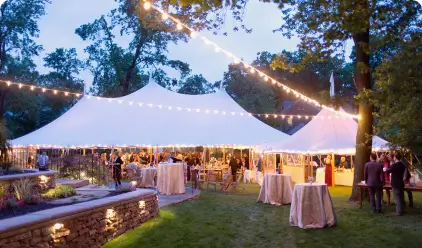
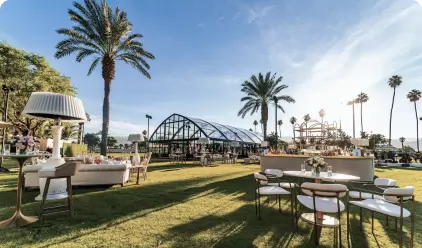
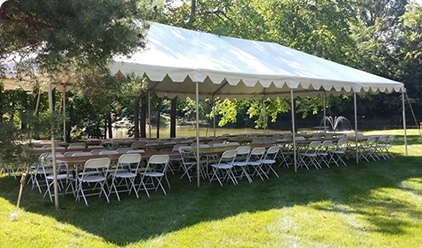
The layout of the backyard wedding reception venues affects guests' dining experience and the flow of the event. Where you put the tables depends on how many guests you have and how the meal will be served. If the venue does not have ready-made shade or rain protection, setting up a wedding tent would be a wise decision. This can prevent the wedding reception from being disrupted by weather.
In addition, the dance floor and stage are usually placed at the center or front of the reception area, making it easy for guests to gather and watch performances. The DJ booth or band can be positioned to the side of the space. The reception area must be kept away from low‑lying spots or areas prone to water pooling. This is because poor drainage can make the ground slippery and muddy, which could easily cause someone to slip.

Lounge Space
A lounge space can be set up according to the wedding style and the size of the backyard. For larger weddings or if you want guests to have more space for socializing and resting, you can place sofas, lounge chairs, and cocktail tables to create a comfortable area for chatting and taking a break.
The lounge space is usually located in a relatively quiet and comfortable area, keeping it clear of noise sources such as the DJ booth or the dance floor. What's more, it is a good idea to set it up in a shaded spot. If the venue lacks natural shade, you can also utilize a wedding tent or other temporary structures to add comfort.
Food and Drink Stations
The buffet, bar, and dessert station can be placed near the dining area so that guests can sit down easily after getting their food. However, it is still better to keep the bar and buffet tables separate. This helps avoid cross‑traffic between the two queues and reduces wait times. A well‑planned layout gives guests more time to enjoy their food and mingle freely.

Guest Flow
The key to guest flow planning is clarity and smoothness. The size of the venue and the number of guests help determine the width of the main pathways. Typically, the main aisle should be at least 1.5 meters wide. This allows guests to move easily. Clear signage is also significant. You can place direction signs at the entrance or assign staff at key points.
After sunset, lighting becomes the main guide. Use warm‑colored ground lights or low string lights along pathways, near steps, and at the entrances to different areas. This lights the way and creates a warm atmosphere. With good flow design and proper lighting, guests can move between different areas more comfortably.
Backyard Wedding Decor Ideas
To give the backyard wedding venue its own flavor, decoration is the best starting point. You can freely combine the following tips according to your style.
Choose a Color Palette
A unified color scheme can make the entire wedding look more visually cohesive. Couples can choose a decorative color palette based on the wedding style. All other decorative elements should revolve around the chosen color scheme once it is set.
For example, a nature‑inspired style can use soft colors like green and beige, while a romantic style can incorporate pink or warm tones. Of course, you'd better add a few accent colors alongside the main palette to give the space more depth and dimension.
Decorate the Ceremony Area
The ceremony area is where most photos are taken, so it deserves special attention to decoration. It mainly includes the following parts:
Backdrop or Wedding Arch:Common choices include floral arches, wooden pergolas, and wedding draping decor. They can serve as a backdrop for the ceremony, highlighting the wedding theme
Wedding Aisle:Consider laying a light‑colored carpet along the aisle, scattering petals on both sides, or placing lanterns and candles along the way. These touches can add a sense of ceremony to the entrance.
Guest Seating:The seating area can be enhanced with chair covers, fresh flowers, or place cards to give the overall layout a more polished look.
Ceremony Entrance: A welcome sign at the entrance with the couple's names and wedding date is a nice touch. The design should reflect the wedding theme, so guests feel the thoughtfulness from the moment they arrive.

Decorate Reception Tables with Layers
A layered approach to table décor creates a more pleasing effect. For example, you can start with plain tablecloths and simple table runners, then add small floral arrangements and vintage candles as accents. Customized menus, place cards, and elegant favors can further enrich the details. Just avoid making decorations too tall, or they may block guests' line of sight and interfere with conversation.

Use Lighting to Set the Mood
Lighting is a key tool for creating atmosphere in backyard wedding venues. For general illumination, you can take advantage of fairy lights, bistro lights, and similar options. Functional lighting is also needed for key areas. For example, use uplighting to highlight backdrop walls, spotlights for the ceremony area or stage, and pathway lights to light walkways for safety. For decorative lighting, choose lanterns, candles, or hanging lights.
Decorate with Flowers and Greenery
Flowers and greenery not only decorate the ceremony and dining areas, but also help create a cohesive visual style for the backyard wedding venue. For example, large floral arrangements at the entrance can welcome guests. Small vase flowers on the lounge coffee tables add a warm touch. Even the bar, signage, and seating can be adorned with small floral accents.
Personalize the Space with Small Details
Personal touches can make a wedding feel more exclusive. Couples can use personalized elements to show more thoughtfulness.
Seating charts and custom table numbers help guests find their seats easily. To add interaction and emotional connection, place photos, wedding stories, or keepsakes at the sign‑in table. Custom drink menus, personalized dessert labels, or thoughtful favors can also become small surprises that guests remember. These small details help guests feel the uniqueness and sincerity of the wedding.
Don't Forget Practical Decor
Practical items can also serve as décor. Wedding tent decoration goes beyond flowers and lighting to include interior styling, flooring, and small accessories. Cover trash cans with fabric sleeves. Umbrella baskets and blanket racks can be made of rattan or wooden materials to echo the natural style. Fan racks and mosquito repellent racks are suitable for placement in the corners of the rest area.
Final Thoughts
The charm of backyard wedding venues lies in their freedom and relaxed atmosphere. With thoughtful layout and carefully chosen decorations, you can easily turn your backyard into a wedding venue.
If you are considering how to turn a backyard into a wedding venue, feel free to partner with Sheltent. We offer space structures and solutions specifically designed for outdoor weddings to help transform your backyard into the wedding setting you've always dreamed of.


