













Factors to Consider for Choosing the Best Gym Tents
 SHELTENT
-


A gym tent can turn an outdoor area into a dedicated fitness space for group training, yoga, physical training, or commercial fitness projects. Choosing the right tent involves more than its size and appearance. The intended use, site conditions, structure, materials, ventilation, insulation, and maintenance all matter. This guide covers the main factors to consider when choosing an outdoor gym tent.
Start With How You Plan to Use the Gym Tent
Start by defining the main purpose of the gym tent. A space for yoga, stretching, or small group training has different needs from a gym with treadmills, strength equipment, or several training groups. The number of people using the space each day also matters. The project should also define whether the tent will be used seasonally or throughout the year. For sports activities or group training, a suitable sports tent can provide a structure that fits different types of sports use and indoor space needs.
Consider the Available Space and Tent Size
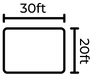
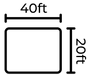
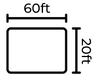
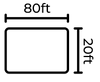
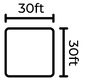
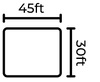
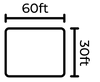
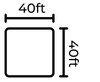
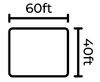
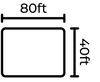
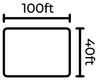
After defining the intended use, choose the tent size based on the actual site area. Bigger is not always better. Unused space can add to construction and maintenance needs and may reduce how well the site is used. When measuring the available area, leave enough room for fitness equipment, walking paths, entrances, and storage. If more equipment or training areas may be added later, future expansion should also be considered during the planning stage.
Plan the Layout Around Equipment and User Flow
After choosing the gym tent size, plan the interior layout. Training areas, equipment areas, and main walkways should have clear separation. This helps prevent conflicts between people moving through the space and large fitness equipment.
A commercial fitness space may also need areas for reception, storage, changing rooms, and emergency exits. A well-planned layout makes better use of the available area and gives people more room to move when several users train at the same time.
Choose a Structure That Fits Your Location
Different fitness projects need different tent gym structures. Small training areas, large commercial gyms, and yoga or wellness spaces that focus on visual appeal can each use a different type of structure like these:
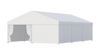
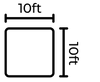
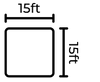
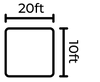
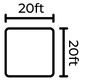
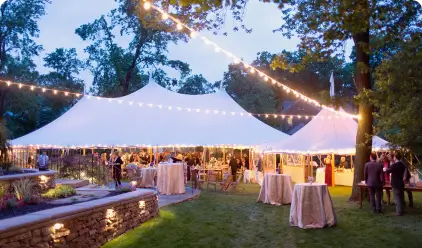
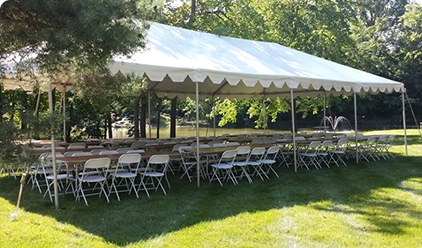
- Frame Tents:Frame tents suit smaller fitness areas and group activities. Many frame tents use an aluminum alloy frame with PVC-coated fabric. Several sizes are available for different project spaces.
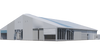
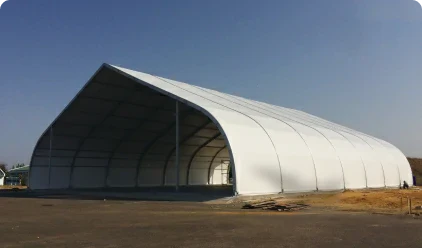
- Clear Span Tents:Clear span tents suit large groups, commercial fitness spaces, and projects that need long-term use. Their main feature is no interior columns, which keeps the central area open and reduces interference with equipment placement and user movement. Clear span tents can also be customized in span and length to suit project needs.
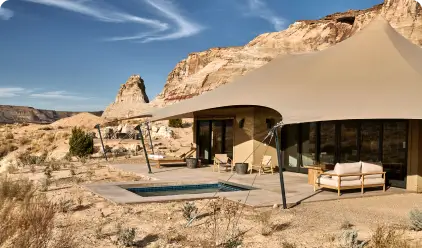
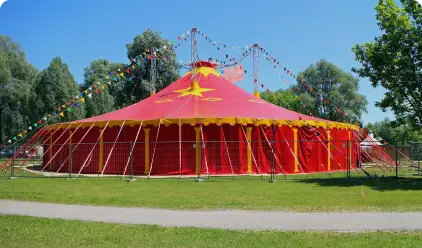
- Dome Tents:Dome tents suit projects where visual appeal is an important part of the space. They can work well in yoga, wellness centers, and resort fitness areas. The dome shape gives the fitness space a distinct visual character.

Check Wind, Snow, and Other Local Weather Conditions
The gym tent structure should match the local climate. Wind speed, snow, rainfall, temperature changes, and long periods of sun exposure can all affect the choice of structure and covering materials.
For winter use, snow load and low temperatures need close attention. In hot or sunny areas, shade and heat management also matter. The structural design, anchoring method, and material selection should meet applicable local engineering requirements and building codes.
Check the Materials and Durability
For long-term gym tent use, the durability of the frame and covering materials deserves careful attention. Aluminum is relatively light and offers corrosion resistance, while steel can provide higher strength in some structural applications.
The covering material also affects service life and maintenance needs. PVC-coated fabric commonly provides waterproofing, UV resistance, abrasion resistance, and mold resistance. Projects that need stronger enclosures can also consider hard wall materials such as polycarbonate.
For the Sheltent, which offers high-quality tent products, the frame tent uses an aluminum alloy frame with PVC-coated fabric. The clear span tent uses a 6061-T6 aluminum alloy frame, and dome tents use Q235 steel components with high-strength PVC-coated fabric. These options can be configured for different project needs.

Consider Natural Light and Visibility
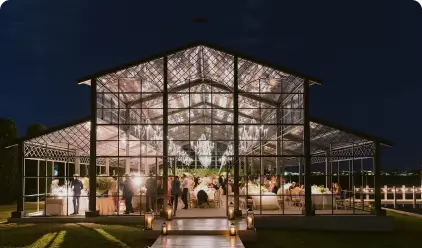
Natural light can make a gym in a tent feel brighter and can reduce the need for artificial lighting during the day. Depending on the project, transparent or translucent areas can be added to the walls or roof to bring more daylight into the space. Visibility can also matter when the fitness space is located at a resort, hotel, or recreational site. Transparent walls, glass walls, or selected transparent sections can connect the indoor workout area with the surrounding environment.
Look at Ventilation and Indoor Comfort
Exercise produces more heat and moisture, so ventilation is an important part of gym tent design. Even when outdoor temperatures are moderate, poor air movement can make the space feel hot and humid. The position of doors, windows, vents, and other openings should be considered during the backyard gym tent design stage. These elements should allow fresh air to enter while helping warm and humid air leave the space. Ventilation openings should also work well with the equipment and main training areas. [图片]

Pay Attention to Insulation and Energy Efficiency
If the gym operates throughout the year, natural ventilation alone may not be enough for every season. Insulation can help reduce heat loss in winter and limit heat buildup in summer.
Depending on the local climate and use requirements, the project may need insulated liners, insulated wall systems, heating, or cooling equipment. For a long-term fitness space, the tent enclosure and indoor temperature control should be planned as part of the same system.
Make Sure the Flooring Works for Your Workouts
Flooring is easy to overlook when planning a gym tent, but it directly affects the training experience, safety, and equipment stability. Different types of training also require different flooring.
Yoga and stretching areas may benefit from a surface with some cushioning. Strength training areas need flooring that can support heavy equipment and repeated impact. Cardio equipment, such as treadmills, also needs a stable and level surface to limit vibration during use. The site base also needs attention. Depending on the location, the project may require concrete, asphalt, or compacted ground as the installation base.
Think About Installation, Maintenance, and Future Changes
Choosing a gym tent involves more than looking at the tent itself. The full service life of the structure should also be considered. For temporary fitness spaces or sports events, installation, removal, and relocation may be more important.
For long-term commercial projects, regular cleaning, structural checks, component replacement, anchoring system maintenance, and future expansion deserve more attention. A modular structure can also make it easier to change the gym layout or add more space later.

Compare the Total Cost, Not Just the Tent Price
Once the space, structure, and functional needs are clear, the total project cost can be compared more accurately. The tent itself is only one part of the budget.
Site preparation, anchoring systems, flooring, transportation, installation, lighting, ventilation, heating, and cooling may also need to be included. Commercial fitness projects should also consider interior finishes, fitness equipment, and long-term maintenance. Looking at the full service life makes it easier to compare different gym tent solutions.
Choose the Best Gym Tent for Your Project
Choosing the right gym tent depends on the intended use, site area, number of users, local weather, and planned service life. Smaller projects can consider frame tents, while large commercial projects may need clear-span tents. Yoga, wellness, and resort projects can also use the visual character of dome tents. Sheltent provides different tent structures and custom solutions for fitness spaces based on specific project needs.
FAQs About Gym Tents
1/How long does it take to install a gym tent?
2/Can a gym tent be used all year round?
3/How do you keep a gym tent cool in summer?
4/Can gym tents be insulated for winter use?


