































Tent Sidewalls for Canopy: Everything You Need to Know
 SHELTENT
-
SHELTENT
-


Anyone who's used an outdoor tent knows that a roof alone is often not enough. When it's windy or rainy, or if you want to maintain some privacy, tent sidewalls become essential. Installing sidewalls not only blocks wind and rain but also keeps the tent warm in winter and cool in summer. Today, we'll discuss a complete guide to choosing canopy tent sidewalls!
Why Do Tent Sidewalls Matter
Many people think that buying a tent with a canopy is enough. But when you're actually outdoors, the weather is unpredictable. Let's take a look at why your tent absolutely needs tent sidewalls.
Protect the Interior from Wind and Rain
If the tent is bare on all sides, wind and rain can easily seep in from all directions, soaking your equipment, tables, and chairs. This is where the advantage of tents with sides really shines. Installing side walls effectively blocks out wind and rain, keeping the inside of the tent dry and comfortable, allowing your event or party to continue.
Keep Privacy
Have you ever had this awkward experience? When you have a family gathering in a park or open backyard, passersby always seem to stare curiously, making it difficult for everyone to chat and play freely. Solid-color, opaque canopy tent sidewalls instantly block out outside views. This immediately boosts your sense of security, allowing everyone to enjoy themselves more comfortably.
Prevent Insects
The biggest headache when hosting dinner parties or nighttime events is mosquitoes. Everyone's busy chasing bugs, making it impossible to eat properly. For event tents held in the evening, it's recommended to install side walls! If you choose a model with mesh windows, it will not only keep out insects but also maintain ventilation.
Control Interior Temperature
In summer, when you're using air conditioning or exhaust fans in a tent, the side walls can block the sweltering heat from outside. Needless to say, in winter, when you're hosting an event, you'll definitely be wondering how to heat a party tent. Using side walls with heaters prevents heat loss. Once you understand how to insulate a tent, you'll realize that installing tightly sealed side walls is absolutely the most effective way to control the indoor temperature.
Promote Brand
Every time I attend a trade show or outdoor market, all I see are identical white tents, making it impossible for customers to remember which is which. The wide side walls of a tent are natural, giant billboards! Designing a custom tent with your logo is definitely a worthwhile investment. Paired with side walls printed with your brand information, you won't need to do any advertising. Your brand exposure will be maximized!
What Types of Tent Sidewalls Are Available
Based on my experience organizing various events over the years, sidewalls for canopy tents aren't just a matter of buying any piece of cloth and hanging it up. Next, I'll review the most commonly used sidewall types to help you see which one is best suited for your event scenario.
Solid Sidewalls
This solid, opaque side wall is the most versatile and commonly used option, its main feature being its ability to provide complete privacy. If you need privacy or want to completely block out clutter from the surrounding environment, this is the perfect choice. It offers excellent light blocking and wind protection. I use it to set up backstage dressing rooms, food preparation areas, or business presentation areas that require projected images. Simple, straightforward, and incredibly practical!

Window Sidewalls
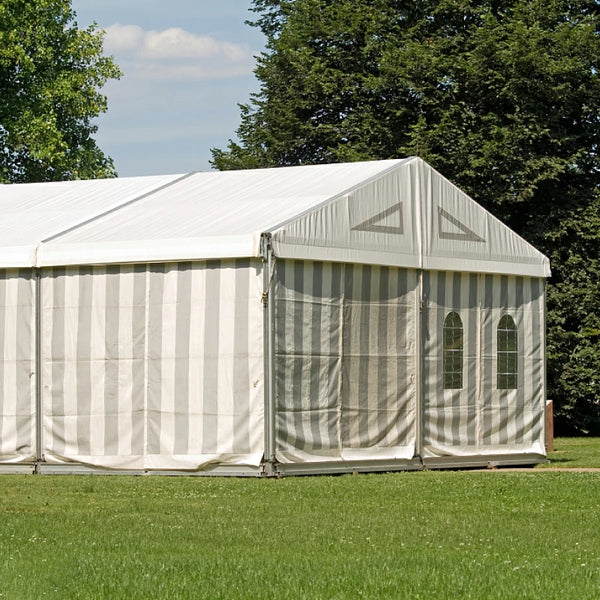
If you find a fully enclosed solid side wall too oppressive, then I highly recommend trying a side wall with windows. It will feature French arched transparent windows, which are incredibly beautiful! This style not only lets in natural light but also eliminates any feeling of confinement. It's a favorite for outdoor weddings, lawn parties, or upscale dinner parties.

Clear Sidewalls
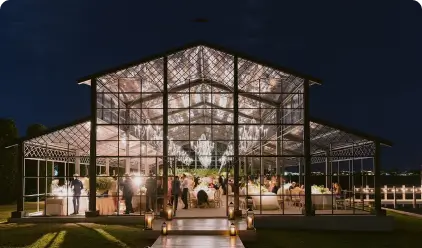
Want a panoramic, unobstructed view? Transparent sidewalls! Most people love using clear tent sidewalls when hosting a stargazing dinner. They're a perfect match for a romantic clear top tent! Used at high-end outdoor weddings or nighttime parties, they'll absolutely amaze everyone.

Custom Sidewalls
If you're attending an exhibition or setting up a booth, custom tent sidewalls are a must-have! Anyone who frequently attends commercial events knows that ordinary, plain white tents easily blend into the crowd and are completely forgettable.
But if you customize and print your brand logo, high-resolution images of your main products, or your core slogan directly on the sidewalls, the effect is entirely different. It can be personalized to match your brand's theme colors and elevates the professionalism of the entire venue.

How to Choose the Right Tent Sidewalls for Your Canopy
After seeing so many different types of side walls, are you feeling a bit overwhelmed? Don't worry, choosing a side wall isn't actually that complicated. I've summarized a few key points to consider when making your selection.
Consider the Purpose of Use
The intended use and function of your tent directly determine which style you should choose. For example, if your venue is primarily used as a temporary storage area or a backstage rest area, I strongly recommend a fully enclosed, solid sidewall tent. It will completely block out any clutter and provide wind and rain protection.
However, if you're hosting a romantic outdoor wedding and want the tent to be bright and airy with plenty of natural light, while also maintaining an aesthetically pleasing appearance, then you'll definitely need a clear sidewall tent or one with French windows. This will not only provide a wide-open view and avoid a feeling of confinement, but also result in exceptionally photogenic photos.
Choose the Right Size of the Sidewalls
What's the biggest mistake you can make when buying sidewalls? Buying the wrong size! This was definitely the biggest pitfall I encountered when organizing events early on. Many people think that as long as their tent is labeled 10x10, they can just buy any 10-foot sidewall online and it will fit perfectly. That's simply not the case! You absolutely must personally measure the actual width and height of your tent canopy with a ruler. Even a difference of a few centimeters can result in a loose fit, letting in drafts and looking terrible.
Another crucial detail easily overlooked by beginners is the leg shape of your tent frame. If you blindly order without understanding the difference between canopy slant legs and straight legs, you're likely to make a mistake. Straight-leg tents have square sidewalls, while slant-leg tents have a wider base than top, requiring trapezoidal sidewalls for a proper fit. Only when the size and leg shape match perfectly will the sidewalls fit flawlessly!

Consider Material and Durability
When it comes to sidewalls, you get what you pay for. If you choose the wrong material, it'll be unusable after only a few uses. Common materials for tent sidewalls on the market are nylon and polyester. While lightweight and inexpensive, they're only suitable for occasional use in good weather.
If you want something high-quality from the start, I highly recommend PVC! This is a truly commercial-grade, durable material, not only 100% waterproof and UV-resistant, but also exceptionally thick and scratch-resistant. Whether under scorching sun or in torrential rain, PVC sidewalls can withstand the elements. Their lifespan is much longer, 3-5 years. They're definitely the best value for your long-term outdoor activities!

Choose Reliable Supplier for Canopy Tent with Sidewalls
Don't just order from any random store! When buying side panels, especially if you need custom side panels (such as printing logos or special patterns), find a reliable supplier. Unreliable manufacturers may make incorrect dimensions, and the printed patterns will be blurry and prone to fading. Be sure to compare case studies and after-sales service, and choose an experienced manufacturer with a professional production line.
Conclusion
Adding sidewalls is absolutely key to enhancing your outdoor experience. Providing shelter from wind and rain, protecting privacy, regulating temperature, and preventing insects, is an indispensable partner for any tent. To avoid pitfalls, choosing a reliable manufacturer and high-quality materials is crucial.
If you don't want to spend money on trial and error, I highly recommend checking out Sheltent. Their tent sidewalls are made of top-grade commercial PVC, 100% waterproof and UV-resistant, making them incredibly durable and resistant to harsh weather. Whether you need a stylish transparent window version or a precisely printed custom version, the workmanship and sizing are impeccable!


