




























What is Al Fresco Dining and How to Set up?
 SHELTENT
-
SHELTENT
-


What is al fresco dining? If you're not familiar with the term, picture this: enjoying great food outdoors with friends is perfect on a breezy and sunny day. The warm sunshine feels great on your skin. This joyful experience always brings a cheerful mood to everyone involved. You might wonder what al fresco dining is and how to create such a perfect outdoor dining space. This article will guide you through this charming dining style. We will share practical and easy setup tips. Let us explore more inspiration together.
What Is Al Fresco Dining?
The term originates from the Italian language. Its literal translation means in the fresh air. Today, the al fresco dining meaning has evolved to represent enjoying meals outdoors. This dining style developed from outdoor feasts in medieval times. It has become very popular in the modern era. People love alfresco dining because it helps them relax and enjoy natural light.
Many people around the world enjoy this fun activity. This setup offers an excellent dining experience, whether on a patio or a courtyard. Different cultures also give it unique characteristics. Spanish street cafes and British garden afternoon teas showcase their distinct charm.

What Makes a Great Al Fresco Dining Setup?
Creating a satisfying al fresco dining experience requires considering several important factors. The location choice directly determines the overall visual appeal. Open views and natural landscapes can elevate the mood of your guests. The layout of tables and chairs affects the comfort of the space. Proper spacing ensures privacy and allows easy movement.
Weather is also a crucial condition to consider. A warm and breezy environment is highly suitable for eating outside. Good atmosphere design can help people relax completely. Soft lighting and background music increase the comfort level. Combining these elements brings true enjoyment.
Step-by-Step Guide to Setting Up Al Fresco Dining
Building a popular outdoor dining area requires careful planning. Every step is crucial, from defining goals to arranging details. We will explain the specific setup steps below.
Step 1: Define Your Purpose and Target Audience
You need to clarify the core purpose of the venue before planning. It could be a permanent dining space or a temporary spot for short events. Different uses determine your future investments and design directions. A permanent restaurant patio needs a more durable infrastructure. A temporary event space requires more flexible setup plans. Fully understanding the core concept of what is al fresco dining, helps you make the right design decisions.
You also need to know your target audience. Think about who will attend the event. They could be couples looking for a quiet atmosphere or young people enjoying lively parties. You might need more spacious seating and safe play areas for family customers. Knowing this basic information allows you to provide a quality service experience.

Step 2: Choose the Right Space
You need to decide the exact location based on the event scale and venue conditions. Permanent sites usually rely on existing courtyards or rooftop terraces. Temporary spaces can be set up flexibly in open areas like lawns or parks.
Many venues use structural facilities to handle changing weather. High-quality tents provide shade and rain protection. They also enhance the overall al fresco dining design quality. Different types of venues suit different tent styles. Here are some common choices.
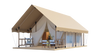
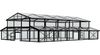
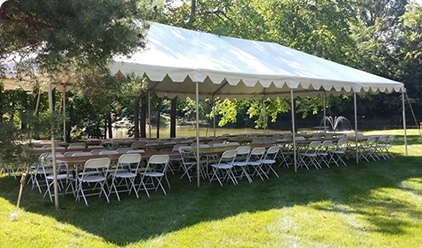
- A frame tent is a great choice if you need a classic look with an unobstructed interior. This structure is very sturdy and suitable for various surfaces like concrete or grass. Guests can move around freely without hitting poles. It features a lightweight aluminum frame that resists corrosion and waterproof PVC fabric. The modular design supports flexible splicing in multiple sizes.
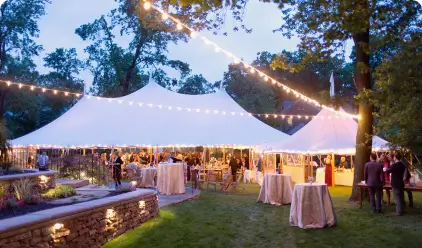
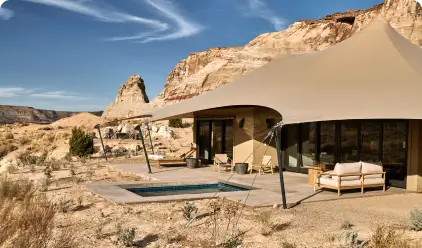
- A pole tent can create a tall sense of dining space for elegant outdoor weddings or large parties. The smooth roof lines of this tent are very eye-catching. It looks very romantic in garden settings. It is lightweight and easy to carry. The installation process is quick and convenient for soft grounds like lawns. It uses premium aluminum materials to reduce the overall weight. The top pairs with highly waterproof PVC material and reinforced seams.
- A high peak tent combines the stability of a frame structure with the elegance of a tall roof design. Its peaked look effectively elevates the style of the dining venue. It gives a majestic feel to any special event. It also uses a sturdy aluminum frame and high-quality PVC fabric. The open design provides excellent ventilation.
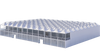
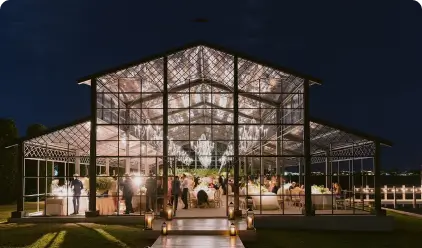
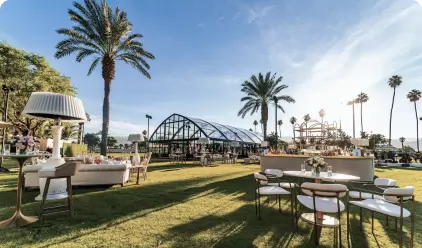
- An atrium tent offers an excellent solution for luxurious parties dining spaces that seek a modern feel and good lighting. Its clear roof design allows natural light to fully enter the venue. This is perfect for enjoying beautiful outdoor scenery. It features a high-strength aluminum frame and transparent PVC fabric. The wide span design can accommodate many guests comfortably.

Step 3: Ensure Compliance
Setting up an al fresco dining area must be legal and compliant. You need to check land use regulations and zoning requirements with local authorities. Obtaining necessary permits and licenses is a key step for both permanent restaurants and temporary events. Safety is the most important part of any gathering.
You must focus on building codes and fire safety alongside business licenses. The erected structures must meet wind and snow load standards. You also need to ensure enough emergency exits are available. Accessible design is another important part of compliance. You need to provide convenient pathways for all customers. Finally, you should consider noise impacts and follow local noise control rules to avoid disturbing neighbors.
Step 4: Arrange Dining and Decor
Comfortable tables and chairs with beautiful decorations can enhance the dining experience. Prioritize durable and weatherproof materials when choosing furniture. Aluminum frames paired with premium moisture-resistant fabrics make a good choice. The placement of furniture should leave enough walking space to maintain a spacious feel.
You can decorate your tables with rich al fresco dining ideas. Using fresh flowers or green plants as centerpieces adds a natural touch. The colors of tableware and tablecloths should harmonize with the surrounding environment. Neutral tones mixed with a little bright color often create an advanced and relaxing visual effect. Proper food presentation also makes the meals look much more attractive.
Step 5: Plan Lighting and Atmosphere

You can use lighting to shape the mood when night falls. Appropriate lighting provides illumination and changes the tone of the entire venue. You can refer to the following suggestions to optimize the atmosphere.
- Soft string lights and patio lamps create a warm feeling perfectly. Hanging string lights on tent roofs or tree branches can simulate a starry sky effect. Placing windproof candles or small LED lights on tables provides an intimate conversation atmosphere for diners.
- Auditory experiences significantly affect the quality of dining al fresco, alongside visual design. Playing soft background music can mask surrounding noise and help guests relax. You can also introduce interactive designs like open prep stations or small fire pits to give guests richer sensory enjoyment.
Final Thoughts
Eating outdoors is a way of eating and a great attitude for enjoying life. You can easily build an unforgettable outdoor space through careful venue planning and detailed arrangement. We believe this article has given you a clear answer if you are still wondering what al fresco dining is. Choosing the right shade system is very important, whether you are opening a new restaurant or planning a grand outdoor party. Visit Sheltent to explore more high-quality outdoor commercial tent solutions.


