




































Farm Equipment Maintenance Tips for Long Service Life
 SHELTENT
-
SHELTENT
-


Any equipment, no matter how well-made, won't perform properly or last long without good maintenance. And this is especially true for farm equipment. Regular maintenance helps prevent breakdowns, improves safety, and keeps your equipment functioning well over time. In the long run, well-maintained equipment will have a longer service life and deliver greater value for your investment.
But when it comes to farm equipment maintenance, what exactly should you do? In this guide, we'll share every detail you need to know about this essential task.
After reading it, you'll understand the basic types & importance of farm equipment maintenance, discover 7 insightful tips for better upkeep, and learn how to create an ideal preservation environment to store your equipment properly.
Farm Equipment Maintenance: Types and Why It Matters?
Farm equipment usually includes tractors, harvesters, seeders, irrigation systems, plows, balers, and other machinery used in planting, cultivating, and harvesting. These machines often operate in harsh conditions such as dust, mud, heat, and heavy loads. Because of this, they require regular inspection, lubrication, cleaning, part replacement, and performance testing to stay reliable.
For better maintenance, you need to apply different strategies. Generally, there are 4 major methods you can consider:
- Reactive Maintenance (RM): This approach means repairing equipment only after it fails. It keeps upfront costs low because there is no regular servicing schedule. However, it is not a long-term solution, as unexpected breakdowns can cause production delays, especially during peak farming seasons. This will further lead to downtime and possible crop loss. So the RM is more suitable for non-critical equipment.
- Preventive Maintenance (PM): Preventive maintenance of farm tools and equipment follows a fixed schedule based on time or usage hours and strictly aligns with the manufacturer's recommendations. Even when equipment appears to function normally, inspections and servicing are performed regularly. This reduces the risk of sudden failures and helps maintain stable production.
- Predictive Maintenance (PdM): PdM relies on condition monitoring, sensors, and data analysis to detect early signs of wear or malfunction. Maintenance is performed only when data indicates potential issues. This prevents small problems from becoming major failures. Although the initial investment in technology is high, this method can greatly reduce long-term costs and improve overall efficiency.
- Reliability-Centered Maintenance (RCM): It evaluates the importance and risk level of each piece of equipment to determine how maintenance costs and resources should be allocated. The maintenance team will assess possible failure scenarios, identify potential failure modes, and analyze the impact of each failure on specific assets. Because of this detailed evaluation process, RCM usually requires more upfront time and manpower.

Comparing and choosing the right maintenance strategy helps protect your investment and ensures your farm operations run smoothly throughout the season. Specifically, regular farm maintenance can:
- Minimize operational downtime
- Control maintenance expenses
- Extend equipment lifespan
- Improve safety for operators
- Maintain consistent production performance
- Optimize overall productivity
7 Tips for Farm Equipment Maintenance Management
Proper maintenance of farm equipment may be a little bit challenging if you're not sure how to start. However, with the right approach, it becomes much more manageable. Below are 7 smart tips to improve equipment management and upkeep.
Keep the Paper Organized to Record the Maintenance
The key to equipment upkeep is making sure everything is well organized. A good way to start is by creating a clear farm equipment maintenance checklist. It's easy to find templates online, but remember, this checklist needs to be professional and complete.
It should list daily, weekly, and seasonal maintenance tasks in a structured format. And there are simple labels or blank spaces to mark completed/pending tasks, priority levels, important reminders, key notes, etc.
You may also use apps to manage maintenance. These tools allow you to update records at any time, set automatic reminders, attach photos for reference, and even generate reports in just a few seconds.
If your scale is large and your budget allows, you can even invest in a customized management system or farm maintenance software. A tailored system can centralize all equipment data, schedule maintenance automatically, and store service history. This makes long-term upkeep way much easier.
Change and Lubricate Oil Regularly
Regular oil changes and proper lubrication are big parts of farm equipment maintenance. Farm machines often operate under heavy loads and high temperatures, so it's necessary to avoid excessive friction, overheating, and internal wear. You'll need top-tier engine oil and lubricants to ensure smooth operation and protect critical components.

Normally, the engine oil may need to be changed every 100 – 250 operating hours, while grease points such as bearings and joints may require lubrication weekly or even daily during peak seasons. To maximize the efficiency of every piece of equipment, it's best to check the manual for the exact service intervals.
If you notice that the oil becomes dark quickly, thickens, or smells burnt, it may be time to replace it. For instance, if you are using conventional mineral oil and the machine operates in heavy-duty conditions, switching to synthetic oil may provide better heat resistance and longer protection.
Replace the Worn Parts
During the maintenance process, even the smallest issue should not be ignored or assumed harmless. If you find that certain parts are worn or damaged, replace them immediately. A minor crack, loose component, or worn seal can lead to major mechanical failures, unexpected breakdowns, or even safety hazards. The longer you delay replacement, the higher the repair costs and the longer the downtime you may face.
You should pay special attention to parts such as belts, filters, tires, bearings, and equipment connectors. These components are frequently exposed to friction, pressure, vibration, and heavy loads. So they are often prone to cracking, deformation, air leaks, looseness, and excessive wear. When any of these problems occur, changing the part instantly can prevent further damage to surrounding components.
Check Out the Light
Lighting plays a key role during maintenance, too. Sufficient and non-glare lighting reduces mistakes and improves inspection accuracy.
If you notice frequent flickering, dim light, unstable brightness, or unusual noises from lighting fixtures, address the issue right away. Even if there are no obvious problems, regularly inspecting components such as bulbs, tubes, wiring, and switches helps ensure stable performance and safe operation.
It's wise to use different types of lighting depending on the area or task. For instance, when working on engine components or hydraulic systems, focused task lights or portable LED work lights can better illuminate specific spots. While for larger equipment inspections, overhead industrial lights will provide broad, even coverage.
Store the Farm Equipment in a Weatherproof and Safe Place
Farm equipment should be stored indoors to protect it from rain, wind, intense sunlight, and moisture. Long-term exposure to harsh weather can cause rust, corrosion, electrical damage, fading paint, and faster wear of rubber components, all of which increase maintenance costs.
Whenever possible, park machinery in a dry, enclosed building with proper ventilation. If indoor space is limited or unavailable, a weatherproof storage tent can be a perfect alternative to store farm machines.
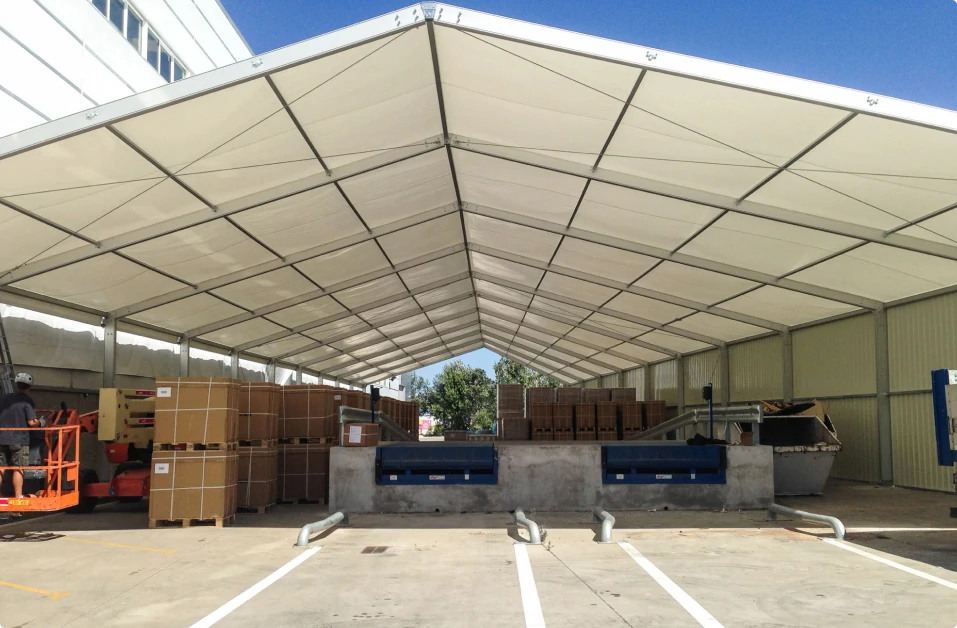
Before storing any equipment, clean off dirt and debris, drain the fuel, and disconnect the batteries if necessary. In addition, cover sensitive components, keep the storage area dry, and ensure the floor is solid and level to prevent tire damage or structural stress.
Avoid Modifying the Machine Personally
Another key point of farm equipment maintenance is to never modify the machine personally. You may be tempted to alter engine settings, bypass safety devices, change electrical wiring, or install non-approved parts. While these changes may seem like quick fixes or cost-saving solutions, they can seriously affect the machine's performance.
Unauthorized modifications can lead to unstable operation, higher fuel consumption, increased wear on components, or even complete system failure. In some cases, they may void the manufacturer's warranty and make future repairs more complicated and expensive.
To avoid unnecessary risks, always follow the manufacturer's guidelines and use approved replacement parts. If upgrades or adjustments are needed, consult a certified technician or the equipment supplier to ensure the work is carried out safely and correctly.
Test Farm Equipment Before Work
Before starting any farm equipment, always perform a basic inspection. This helps detect small issues early and prevents breakdowns during operation. You'll need to check the fuel level and look for any signs of leakage around the tank and fuel lines.
And don't forget to inspect the engine oil and coolant levels. Make sure they are within the recommended range. In addition, you should also check whether all lights, signals, and warning indicators are functioning correctly. For added safety, walk around the machine to confirm that no tools, debris, or obstacles are nearby before pressing any buttons to operate the machine.
Build a Reliable Storage Space to Protect Your Farm Equipment
As your farm expands, the number of machines and tools will also increase. Then you'll need to plan for additional storage space to keep your equipment safe and organized. However, indoor storage is not always sufficient, and expanding a permanent building can take a lot of time and money.
In this case, making good use of outdoor space is a practical solution. You can set up a reliable construction tent to create a secure and flexible storage area for farm equipment. These tents are heavy-duty and robust, as they are typically made from industrial-grade materials such as aluminum alloy, steel, and 100% weatherproof PVC fabric.
Below are three common types of tents that you can use for farm equipment storage:
- A Frame Clear Span Tent: It is known for its A-shaped design, which adds both structural appeal and overall stability. The sloped roof distributes weight evenly and provides strong load-bearing capacity. Due to the prefabricated design, setting up an A-frame clear span tent can be super easy. Meanwhile, there are no interior support poles. The wide, open space allows you to freely arrange farm equipment inside.

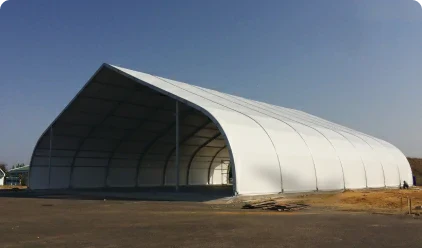
- Arcum Clear Span Tent: The curved roof design of the arcum clear span tent gives it a distinctive appearance and helps to improve airflow to reduce wind force. You can customize the length, width, and height to meet specific storage needs. The spacious interior allows you to divide the space for different types of equipment. Additionally, the metal frame and waterproof PVC cover keep the interior dry and well protected.

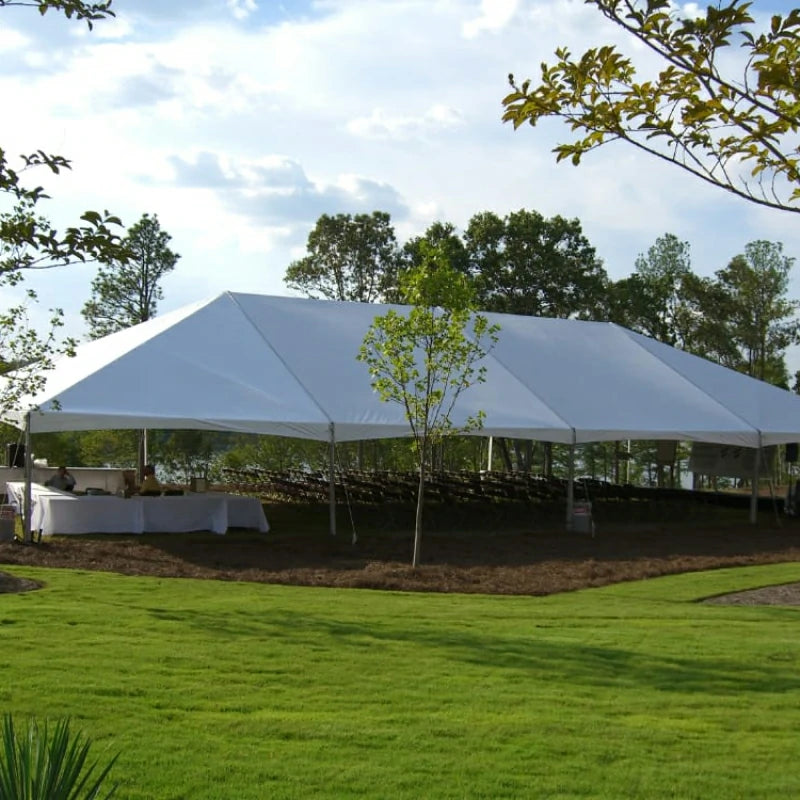
- Frame Tent: Due to its simple structure, the frame tent can be quickly assembled and disassembled. It can be installed almost anywhere by a small team within just a few hours. Therefore, it is often used as a reliable temporary shelter to store equipment. Moreover, the sturdy aluminum alloy frame and fully weatherproof PVC fabric make it withstand any harsh weather conditions like heavy snow, pouring rain, intense sunlight, etc.
Conclusion
Proper maintenance is the key to keeping farm equipment in good working condition. You need to pay attention to every detail, from keeping maintenance records organized to testing equipment before work. And as your equipment inventory grows, expanding your storage space becomes necessary. One of the most cost-effective and flexible solutions is to set up a sturdy construction tent.
At Sheltent, we provide top-tier tents designed to protect your farm equipment in all weather conditions. They are all heavy-duty and built with durable materials like aluminum alloy, steel, and waterproof, UV-resistant PVC.
Their spacious interior allows you to store equipment in an organized way and carry out maintenance work smoothly underneath the structure. If you are looking for a reliable solution for your farm equipment, just contact us anytime!


