



















Greenhouse Restaurant Design: Create A Sustainable Dining
 SHELTENT
-
SHELTENT
-


As sustainability and experiential dining continue to shape the hospitality industry, the reason for choosing luxury greenhouses has become increasingly clear. They provide a stylish, nature-inspired dining environment to attract more customers and help strengthen your brand. In this guide, we'll explore every stage of sustainable greenhouse restaurant development. From the site planning and tent structure selection to interior furnishing and supporting facility integration, we'll get you covered! Read on to create the most unforgettable dining experience ever!
Site Planning for a Sustainable Greenhouse Restaurant
When building a restaurant in a greenhouse, the first step is choosing the right location. This often requires careful planning, and you'll need to evaluate several key factors like the local climate, site orientation, and land-use permits.
Climate and Seasonal Conditions
When selecting a site for your greenhouse restaurant, consider the local weather patterns, including average temperatures and seasonal characteristics. Then you'll need to adopt targeted design strategies to maintain year-round comfort for guests. For example, restaurants in colder regions may prioritize heat retention and insulation, while those in warmer climates should focus on natural ventilation, shading systems, and effective cooling solutions.
Meanwhile, factors such as annual rainfall, prevailing wind conditions, and snow loads should also be carefully evaluated. These environmental conditions can directly influence many aspects of the project, such as the tent structure selection, dining space design, and the overall durability of the greenhouse restaurant.
Site Selection and Orientation
Greenhouse restaurants are often located in areas with beautiful surroundings. Gardens, vineyards, lakes, forests, or mountains are all great choices. The scenic views can transform an ordinary meal into a memorable experience. They'll also create a more immersive dining atmosphere and strengthen guests' connection with nature.

Proper orientation is equally important. It's better to position the greenhouse with a south-facing or southeast-facing orientation to maximize natural sunlight in the Northern Hemisphere. This keeps the dining space warmer during the colder months and, most importantly, reduces reliance on artificial lighting and heating.
Regulatory Requirements
Regulatory compliance is another key point to consider during the planning stage. Before construction begins, research local building regulations, planning permissions, fire safety codes, accessibility requirements, environmental regulations, and any zoning restrictions that may apply to your project.
You can obtain this information through government websites, local planning authorities, or by consulting experienced architects and structural engineers. If needed, you can even visit relevant departments in person to clarify specific requirements and streamline the approval process. Ensuring regulatory requirements from the beginning helps minimize delays, avoid costly modifications, and allow your greenhouse restaurant to operate legally and safely.
Choosing a Structure That Supports Long-Term Performance
For any outdoor greenhouse restaurant, installing a high-quality tent structure is essential for long-term success. It not only ensures structural safety and long-term durability but also creates an appealing dining environment and enhances the overall guest comfort. Below are three popular greenhouse structures to consider for your project.
Gable Structures
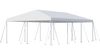
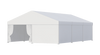
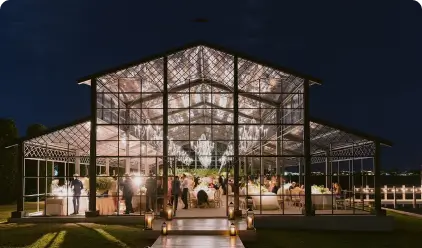
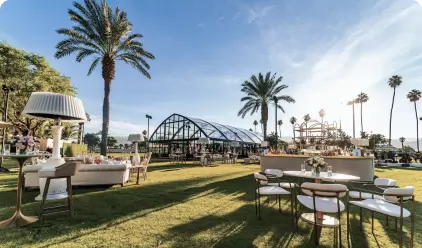
Gable greenhouse restaurants are known for their classic appearance, spacious interiors, and versatility. You can easily achieve this style with an A-frame atrium tent. Its high-pitched roof and open-span design can provide a spacious interior space, making it easy to arrange different dining layouts and accommodate large groups of guests.

Moreover, the transparent roof and sidewalls of this glass greenhouse restaurant let natural light pour in during the daytime. This greatly reduces the need for artificial lighting and makes the entire dining space brighter and more photogenic. Plus, this structure also pairs well with various décor like chandeliers, drapes, floral arrangements, string lights, and greenery to create a more elegant vibe and give guests a memorable experience.
Lean-To Structures
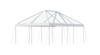
If you're planning to expand an existing restaurant or build a rooftop dining space, a single-sided atrium tent is an ideal choice. It attaches directly to one side of an existing building. This means you can extend your dining area without constructing a completely independent structure.

Like an A-frame atrium tent, the transparent design can reduce energy consumption and provide an unobstructed view of the outside scenery. Guests can enjoy the surrounding scenery or the city skyline when they are dining, chatting, and socializing with each other inside. Additionally, compared with a standalone structure, this building requires less installation space and fewer construction materials. So it's often an affordable solution for businesses looking to build a greenhouse restaurant with lower budgets.
Dome Structures
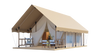
Dome structures can also be used to build greenhouse restaurants. Among all the types, the glamping dome tent is often the top choice. Its distinctive hemispherical design creates an eye-catching appearance and, at the same time, provides excellent structural stability. It is widely used in hotels, luxury resorts, wineries, and glamping destinations to create a unique modern greenhouse restaurant.

In addition to its striking appearance, the structure can also be fully customized to match your brand identity. The exterior membrane can present your logo, graphics, or patterns, while the interior can be configured with flexible seating layouts and equipped with heating, cooling, ventilation, lighting, and other essential facilities.
Creating an Energy-Efficient Dining Environment
Building a successful greenhouse restaurant is also about supporting long-term sustainability. And there are many practical ways to achieve that. Read the following section, and you'll find how easy it could be to improve your restaurant's energy performance!
Natural Ventilation Strategies
Using natural ventilation is a simple yet effective way to improve energy efficiency in a greenhouse restaurant. Since warm air naturally accumulates at the top of the space, it's best to install roof vents or ridge vents to allow hot air to escape. This helps prevent heat from building up inside the structure and keeps the dining environment more comfortable, especially during warmer months.

Meanwhile, avoid keeping the sidewalls, doors, and windows closed all the time. Open them regularly to let fresh air to circulate throughout the space. If possible, incorporate cross ventilation by placing openings on opposite sides of the greenhouse. This passive ventilation strategy can create continuous natural airflow, improving indoor comfort and reducing the need for mechanical ventilation.
Passive Heating and Cooling
Some passive heating and cooling strategies can also improve your greenhouse restaurant's energy performance. You might need to choose the specific solution based on the local climate and weather conditions.
A common approach is to use greenhouse covering materials with good insulation and light transmission. This helps keep the indoor temperature more stable throughout the year. You can also incorporate thermal mass, such as concrete floors, stone walls, or water features, to absorb heat during the day and slowly release it at night. Meanwhile, adding large indoor plants or climbing greenery is also worth considering. They will provide natural shade, improve air circulation, and create a cooler, more comfortable dining environment.
Solar Shading Solutions
Adding solar shading can significantly reduce the cooling costs. It blocks a portion of the sun's heat before it enters the greenhouse, preventing excessive heat from building up inside. As a result, less energy is needed to cool the space. This can greatly reduce both energy consumption and operating costs.

Common shading solutions include retractable roof shades, exterior shade cloths, adjustable louvers, and pergolas. You can also strategically plant trees or climbing vines around the greenhouse to provide natural shade. All of these solutions can help maintain a more comfortable indoor temperature by controlling the amount of direct sunlight entering the structure.
Humidity and Condensation Control
High humidity can lead to condensation, mold growth, unpleasant odors, and even damage to furniture and interior finishes. But it can be minimized through proper design and climate control.
You can start by selecting greenhouse materials that reduce condensation. Double-glazed glass, insulated polycarbonate panels, and thermal break aluminum frames are all good options. They help limit heat transfer and reduce moisture buildup on interior surfaces. But if indoor humidity frequently exceeds 60–70%, it's better to install commercial dehumidifiers or a professional humidity-control system. They will work better to maintain stable humidity levels and create a healthier dining environment for guests.
Designing the Dining Space
When designing greenhouses for restaurants, you'll need to focus on many small yet important details. You can place herbs, edible flowers, vegetables, or other edible plants throughout the restaurant. Besides bringing guests closer to nature, these plants can be used as fresh ingredients for dishes and drinks, creating a more authentic farm-to-table dining experience.

And it's also highly recommended that you use modular furniture like stackable chairs, movable tables, and modular seating. They are often easy to install, rearrange, and replace whenever needed. Their flexibility allows you to make better use of the available space and easily adapt to different events and dining layouts.
As for the décor, opt for those natural and sustainable materials whenever possible. Wood, bamboo, rattan, linen, natural stone, and recycled materials can all complement the greenhouse setting. When combined with greenery and natural light, these elements can help create a more welcoming atmosphere and reinforce your restaurant's sustainable brand image.
Supporting Sustainable Restaurant Operations
Supporting facilities and daily operations are also necessary for running a sustainable greenhouse restaurant. You can install rainwater harvesting systems, greywater recycling systems, drip irrigation, and water-efficient kitchen fixtures to improve water efficiency. But remember to avoid large open water features, as they increase water loss through evaporation.
If possible, grow herbs and vegetables on-site or source ingredients from nearby farms. This farm-to-table approach can shorten the supply chain, reduce transportation-related carbon emissions, and provide guests with fresher, seasonal ingredients.
You can also adjust your operating schedule based on the local climate. During summer, consider extending your evening dining hours instead of operating mainly during the hottest part of the day. In winter, make the most of natural daylight by scheduling more operating hours during sunny periods. These adjustments help lower overall energy consumption for cooling and heating the restaurant. Additionally, there's no need to keep every section of your restaurant open throughout the day. Instead, open only the areas needed for specific dining periods or events.
Conclusion
Building a perfect greenhouse restaurant is much easier than you might think. By carefully planning every aspect from site selection to supporting facilities incorporation, you're bound to create a truly sustainable dining space.
If you're looking for a reliable greenhouse tent supplier to support your long-term restaurant project, Sheltent is here to help. We'll provide customized greenhouse tent solutions based on your specific needs and offer professional advice to help your restaurant stand out from the competition. Whenever you need technical support, feel free to contact us!


