




























What Are the Best Tents for Camping in the Winter?
 SHELTENT
-
SHELTENT
-


When you search online for a winter camping tent, you might simply type in "tents for camping in the winter" and start looking through the many options available. But with so many styles and features to choose from, how do you know which one is right for you?
The best winter camping tent isn't always the one with the most features or the highest price. The key is to understand your needs first and then choose a tent that matches them. In the next section, we'll go over the most important things to consider, so you can quickly narrow down your options and find the right winter camping tent for your trips.
What Should You Look for in a Winter Camping Tent?
A winter tent is not a heated room. Its main job is to block wind, handle snow, keep water out, and give your sleep system a stable place to work. If your sleeping pad is too thin, or your sleeping bag is not warm enough, even an expensive tent may feel cold.
So before comparing tents for camping in the winter, look at these practical details first.
- Good Heat Retention:A winter tent with better heat retention usually has less mesh. The rainfly often sits closer to the ground, which helps reduce cold drafts. Some tents also use thicker fabric, inner liners, or optional insulation layers. These details can make the temperature feel more stable inside.
Still, I would not put the full budget into the tent alone. Warm sleep in winter usually starts with a high R-value sleeping pad and a sleeping bag rated for the expected temperature. If the tent needs more warmth, start with a groundsheet, liner, reflective layer, and wind protection. It also helps to understand the basic methods for how to insulate a tent before moving to a more advanced shelter.

- Strong Snow and Wind Resistance:The hardest part of winter camping is often not the cold itself. Wind and wet snow can cause more trouble. Strong wind can bend a weak tent. Heavy snow can press down on the poles. Good winter tents for camping should have a stable pole structure, enough guy-out points, and a shape that helps snow slide off.
- Effective Ventilation:You still need ventilation in winter. Many people seal the tent too tightly during their first time camping in the winter in a tent. By morning, the inner wall can be covered with condensation. Moisture comes from breathing, wet clothing, and snowy boots.
- Enough Space for Winter Gear:Winter gear takes up space. Thick sleeping bags, insulated jackets, stoves, snow boots, gloves, spare socks, food, and water bottles all need a dry place. If the tent is too small, gear ends up pressed against the sleeping bag.
Dome tents, pyramid tents, and low tunnel tents all have their place. A quiet forest campsite with light snow does not need the same shelter as an exposed ridge. Open snowfields, lakesides, mountain camps, and high-altitude areas put much more pressure on the tent structure.
Practical tents for cold weather often have roof vents, door vents, or adjustable windows. These vents help move damp air out. A dry tent usually feels much better than a sealed, wet one.
When choosing tents for camping in cold weather, check the floor area and vestibule space. For two people in winter, I would not cut the size too close. A two-person tent may fit two bodies, but it may not leave enough room for winter gear.
Best Tents for Camping in the Winter for Different Needs
A single tent rarely fits every winter trip. Backpackers worry about weight. Climbers worry about wind and snow. Camp operators worry about maintenance. Families worry about space. It makes more sense to choose by use case. Next, we'll recommend a few winter camping tents for different needs to help you find the right one.
Best for Backpacking
If you need to carry your shelter into camp, a four-season backpacking tent is usually a practical choice. It is stronger than a three-season tent, but it is still light enough to pack.
This type of tent fits snowshoe camping, short winter hikes, low-elevation forest nights, and weekend trips. Common details include aluminum poles, a full rainfly, less mesh, a stronger floor, and several guy-out points. Weight is often the main tradeoff.
These tents for camping in the winter are easy to move with. You can pack one into a backpack and set it up after a few miles on the trail. The downside is space. It works well for sleeping one night and moving on. It is less suitable if you want a real living space at camp.
Best for Extreme Weather
If your trip may include strong wind, heavy snow, exposed terrain, or short high-altitude stays, a mountaineering tent is a safer choice. Its job is not to feel roomy. Its job is to stay stable in bad weather.
To handle strong winds, heavy snowfall, and high-altitude conditions, mountaineering tents often come with snow skirts, stronger poles, thicker fabric, a lower and more streamlined profile, and more guy-out points. In high winds, they tend to hold their shape better than basic tents. When snow falls fast, the roof is less likely to sag.
For long exposure to harsh conditions, such as expedition camps, snow zone base camps, or high-risk alpine projects, expedition tents may make more sense. These tents are made for long-term use in the toughest environments and offer even greater strength and durability than mountaineering tents.
Expedition tents usually use high-strength aluminum poles or advanced pole systems to provide better snow load capacity and long-term stability. They are heavier and more expensive, but that extra weight can support stronger snow resistance and better long-term stability.
Best for Staying Warm
If warmth inside the shelter is the main concern, a hot tent may be worth considering. A hot tent usually has a stove jack. This opening lets you use a tent stove with a chimney. It suits cold hunting camps, ice fishing camps, snow camps, and multi-day winter stays.
A hot tent works differently from a basic insulated tent for winter. A regular insulated shelter slows heat loss through material and structure. A hot tent adds active heat. This can make it easier to change clothes, sort gear, eat, or rest inside.
But a hot tent needs care and experience. The stove must be installed correctly. The tent still needs airflow. You also need to think about fire safety and carbon monoxide risk. If you have limited experience, get the sleeping pad, sleeping bag, and campsite choice right first.
Best for Long-Term Camps
For personal long-term winter camping, a wall tent is a common choice. It has more space, better standing room, and can work with a stove and simple furniture. It fits car camping, hunting camps, and fixed campsites better than backpacking.
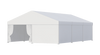
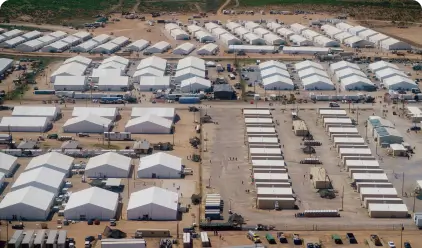
For long-term group camps, storage areas, temporary housing, or outdoor workspaces, small tents can feel too limited. These settings often need a stronger and larger dome field tent. Sheltent Dome Field Tent uses PVC fabric and a steel profile frame. It is closer to a military tent, temporary shelter, or long-term outdoor camp structure.

The details are more project-focused. It comes in 6 by 4 m (19.7 x 13.1 ft), 6 by 6 m (19.7 x 19.7 ft), and 6 by 8 m (19.7 x 26.2 ft) sizes. It supports modular assembly. It is designed for rapid construction, waterproof use, flame resistance, corrosion resistance, and 100 percent UV protection. The specifications also mention Level 8 wind load, 0.1 m snow load, and 40 kPa waterproof performance.
I would place it in the long-term camp category, not the backpacking category. It is better for vehicle transport, group use, long setup periods, and outdoor projects. For winter group camps, hunting bases, temporary housing, or storage space, it can match the real need better than a lightweight tent.
Best for Comfort and Space
If you care about more than one night of sleep, small backpacking tents reach their limit quickly. Commercial winter camping, resorts, glamping sites, and outdoor activity spaces need a structure that feels more like an outdoor room.
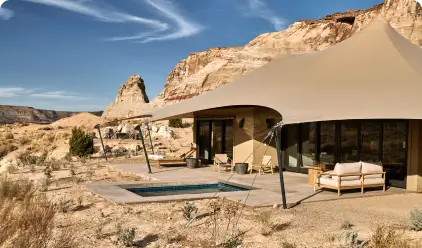
For projects focused on guest stays, a spacious glamping dome tent can be a better fit. Sheltent dome tents use double-coated polyester PVC and Q235 steel. They are designed for waterproof use, flame resistance, corrosion resistance, UV protection, and a spacious interior. The round shape can help spread wind pressure and reduce snow buildup on the roof.

The main value of a dome tent is space. It suits winter glamping, resort stays, wellness camps, outdoor leisure areas, and commercial campsites. It can also work with insulation layers, ventilation windows, glass windows, a solar extractor fan, a stove jack, and a magnetic screen door.
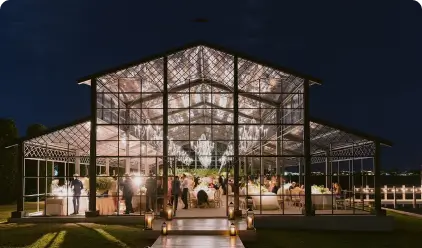
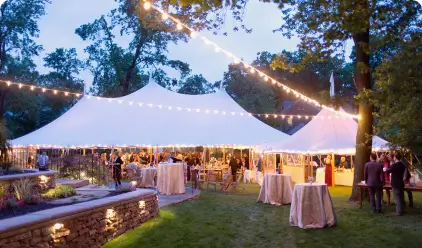
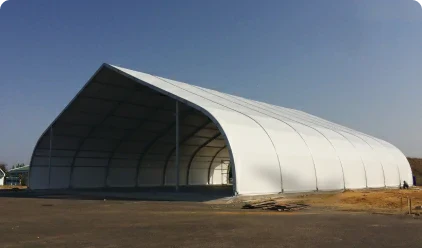
If the project also needs group dining, weddings, parties, reception areas, or a large public space, a bigger event tent structure may work better, such as a keder tent. Keder tents use waterproof PVC, welded seams, aluminum alloy parts, and reinforced seams. Their sizes are also more suited to large outdoor events.

The main benefit is usable space. Some models have no center poles, so the inside is easier to arrange. Tables, chairs, equipment, and walking paths can fit more naturally. If tents for camping in the winter need to support events, service areas, and business use, a keder tent can be more practical than a small camping tent.
How to Choose the Right Winter Tent for Your Trip?
Before asking which winter tent is best, ask where you are going, how long you will stay, and what weather you may face, such as:
- Consider the Weather Conditions:In mild winter weather, a regular four-season tent may be enough. Forest camps, light snow, low wind, and short overnight trips do not always call for a heavy expedition tent.
- Think About How You Will Travel:Backpackers should start with weight. Car campers can carry a larger and heavier shelter. Group base camps should focus on setup speed, indoor space, and long-term durability.
- Decide Whether Warmth Is a Priority:For a short overnight trip, start with passive warmth. A high R-value sleeping pad, a suitable sleeping bag, a dry groundsheet, and dry clothing often matter more than the tent brand.
- Consider How Much Space You Need:Solo campers can choose a compact tent. Two-person winter trips need extra room for gear. Families and groups need to think about standing height, storage, entrances, and shared activity space.
- Match Your Tent to the Length of Your Stay:One overnight stay is different from a long-term camp. For short trips, you can give up some space for a lower weight and easier carrying. For weekend car camping, you can choose a more comfortable four-season tent or a hot tent.
- Set a Realistic Budget:A winter camping budget should cover the full system, not just the tent. Sleeping bag, sleeping pad, groundsheet, snow stakes, guy lines, stove, insulation, and storage gear all matter.
If the trip includes strong wind, heavy snow, open terrain, or steady subfreezing weather, raise the standard. Pole strength, rainfly thickness, guy-out points, staking method, and snow shedding matter more than the look of the tent.
This is why people get very different answers when they search for winter tents for camping. A tent for hiking is not always right for a commercial campsite. A large dome tent for glamping should not be judged by the same weight standard as a lightweight backpacking tent.
If you spend long hours inside the tent, or stay for several days, active heat may help. A hot tent, a shelter with a stove jack, or a larger camp tent with insulation can make winter stays easier.
Commercial camps also need to think about the guest experience. Guests care about more than sleep. They notice whether the space feels tight, whether the air feels fresh, whether the structure looks good, and whether snow makes maintenance hard.
Long-term winter camps should focus on durability, waterproofing, snow resistance, maintenance cost, and material life. A cheap small tent may look like a saving at first. If it leaks, breaks, or needs frequent replacement, the long-term cost can be higher.
For personal short trips, more budget should usually go into the sleep system. For campsites, resorts, and large outdoor projects, the tent should be treated as a long-term space structure, not a disposable camping item.
Final Thoughts
The right tents for camping in the winter depend on the real setting. Backpackers need weight control. Harsh weather trips need strength. Long-term camps need durability. Commercial winter camping needs space and comfort. If you are planning a fixed camp, glamping project, or large outdoor space, you can start by comparing tent solutions from Sheltent.


