






















How to Choose a Tent or Canopy for Your Events
 SHELTENT
-
SHELTENT
-


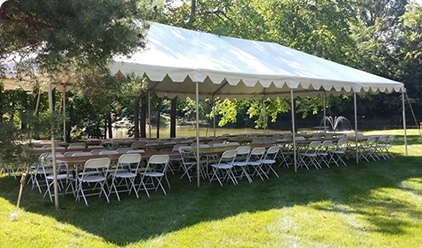
Tents and canopies are often compared as similar temporary structures, yet they differ fundamentally in design. A canopy consists of a top fabric cover and a supporting framework, lacking side walls to form an open structure. It emphasizes simplified construction and spatial openness. In contrast, tents typically feature configurable side walls, creating a relatively enclosed space.
Due to these foundational structural differences, tents and canopies also differ in their applications and installation methods. Canopies feature a lighter construction approach, making them suitable for events that demand efficient installation. Tents generally require more complex assembly due to their structural design.
However, this complexity also contributes to greater stability, making them more suitable for harsh weather conditions. Based on these distinctions, the following sections will provide a more detailed comparison and offer practical guidance on choosing between the two.
What Is a Canopy?

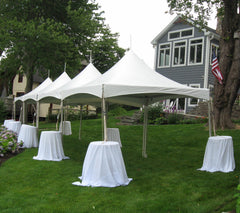
A canopy is a temporary shelter structure consisting of a supporting frame and a top fabric cover. It is lightweight, open on the sides, and does not have fixed side walls. It can provide basic sunshade and rain protection while maintaining good visibility and easy access.
The target audience mainly includes temporary booth operators, event organizers, small businesses, or individual users. The purpose of a canopy is to quickly create usable sheltered space for short-term events, frequent relocation, or situations requiring repeated assembly and disassembly.
Canopy Features:
- Open Design
- Quick Assembly
- Lightweight and Portable
- Flexible Space
- Basic Weather Protection
Where Can a Canopy Be Used?
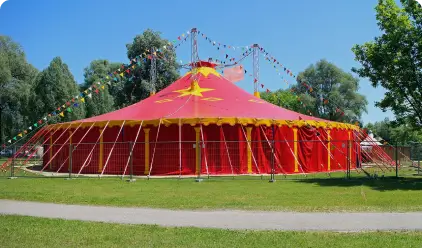
Canopies excel particularly well in short-term or temporary events. They are frequently used for outdoor markets, street exhibitions, and open-air promotions. Their open design facilitates easy access for foot traffic, and most importantly, they offer convenient display space for merchandise and information.
Naturally, canopies are also commonly employed for small gatherings, family parties, or outdoor activity rest areas.
However, the canopy's openness also imposes certain limitations. It struggles to provide full protection during heavy rain, wind, or intense sunlight. The absence of side walls means privacy is limited. Furthermore, its lightweight structure makes it less stable in strong winds.
What Is a Tent?

A tent is an enclosed temporary structure. Unlike an open canopy, it typically features a roof and side walls, so it can form a relatively independent space. Since some tents and canopies share a similar design, consisting of a support frame covered with fabric, many people tend to confuse the two when making their initial choice. This is also one reason why the terms “tent” and “canopy” are sometimes used interchangeably.
Compared to a canopy, a tent represents an upgraded and improved version. It is generally larger, supports a higher degree of customization, and can be fitted with side walls or accessories to enhance the on-site experience.
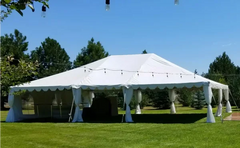
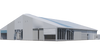
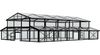
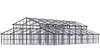
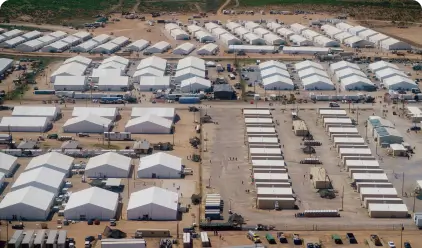
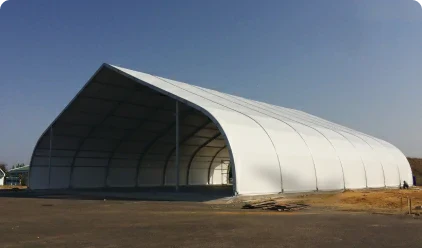
Take Sheltent's frame tent as an example: its structure utilizes a high-strength aluminum alloy frame and PVC fabric. These structures provide stability, weather resistance, and their modular design allows for scalable expansion, making them suitable for larger-scale event setups.
Tent Features:
- Enclosed Space
- Highly Customizable
- Sturdy and Durable
- Suitable for Multiple Uses
- Modular Design for Flexible Expansion
Where Can a Tent Be Used?
The features of the tent enable it to provide stable shelter and comfortable space across various scenarios. It effectively protects against wind, rain, insects, and dust, offering reliable coverage for outdoor lodging and extended activities. At outdoor farmers' markets, exhibitions, or corporate events, the tent safeguards exhibits and equipment.
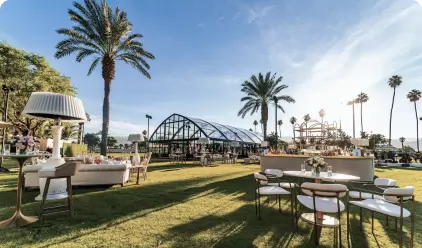
Its tent sidewalls and customizable accessories create intimate, aesthetically pleasing spaces for weddings, celebrations, and large gatherings. Additionally, the tent's sturdy frame suits temporary storage or work areas, providing provisional shelter for commercial parties or industrial settings.
Which One to Choose: Tent or Canopy?
When choosing between a tent and a canopy for different types of outdoor activities, multiple factors must be considered. Both the tent and canopy have distinct advantages and limitations. Therefore, an intuitive comparison table will help you clearly understand their differences in structure, functionality, and usage scenarios.
| Feature | Canopy | Tent |
|---|---|---|
| Structure | Open, no sidewalls | Sidewalls optional |
| Setup & Portability | Fast, easy, 1–2 people | Slower, complex, more than 2 people |
| Customization | Limited | Highly customizable |
| Weather Protection | Short-term, light rain/sun | Long-term, strong wind/rain |
| Durability | Moderate | High |
| Privacy | Low | High |
| Cost | Low | Higher |
| Flexibility & Expansion | Moderate | High |
Different events have varying requirements for stability, setup efficiency, usage environments, and functionality. Therefore, you need to consider a range of factors to determine whether a tent or a canopy is more suitable for your event scenario.
-
Structure and Materials
Focus should be placed on the frame's load-bearing capacity and whether the canopy thickness aligns with usage frequency and site conditions, rather than merely aesthetic differences. Long-term or high-frequency usage scenarios demand higher material strength and durability, so it's best to choose a tent if necessary.
-
Installation
Beyond setup speed, consider whether the site offers sufficient setup space and tolerance for complex installation procedures. These factors significantly impact actual implementation efficiency. For larger events or more demanding sites, a tent is usually the better choice.
-
Mobility
Consider if the structure will need to be moved often, used at different locations, or handled by just one person. If the structure will remain in one place for several days or needs to accommodate larger groups, then it's best to choose a tent.
-
Weather Resistance
When choosing between a tent and a canopy, consider the local climate. In areas with frequent wind, rain, or strong sun exposure, a tent is generally a better choice for long-term reliability.
-
Choosing Based on Available Space
The size of your available space affects the choice between a tent and a canopy. While both can fit small areas, tents are usually preferred for large-scale events.
-
Flexible Features and Expansion
Think about whether you might need extra features in the future, such as sidewalls, doors or windows, lighting, or connections to other structures. Choosing a customizable tent that supports these options can save you a lot of hassle if your event requirements change.
When to Use a Tent or Canopy?
Suppose you operate a small booth at a farmers' market or street fair. You need to set up quickly while ensuring your stall remains highly visible in an open environment, facilitating interaction with passing customers. In such scenarios, a canopy is more suitable. Its open structure won't obstruct sightlines and keeps the entire booth easily accessible.
Tents can also be used without sidewalls for an open atmosphere. Additionally, tents typically can custom canopy and sidwall for branding, allowing you to display your logo so passersby can immediately recognize your booth.

If you're participating in a multi-day music festival or outdoor event where forecasts predict rain or strong winds, top-only coverage is insufficient. In this case, a tent with sidewalls offers more reliable protection.
For those looking to host a daytime party or graduation celebration in your backyard, a canopy is the more economical choice, with favorable weather requiring only basic shade and a comfortable gathering space.
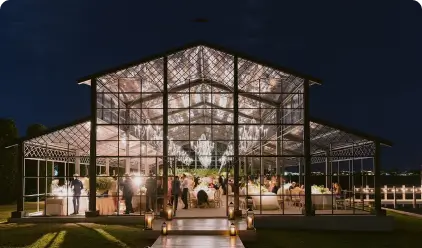
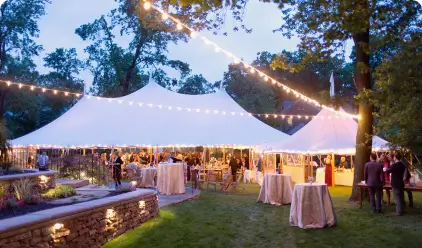
For outdoor weddings or formal celebrations with extended durations, there is a greater need for a pleasant atmosphere, guest comfort, and protection from wind and weather. A tent with side walls delivers a peaceful event experience without compromising aesthetics.
If overnight storage of equipment or merchandise is required during multi-day events, security becomes a key consideration. A fully enclosed tent allows for greater control over the site during non-event hours—a function canopies struggle to replicate.
Ultimately, the best choice isn't about which option is inherently superior, but which one offers the most effortless solution given your schedule, venue constraints, and environmental expectations.
🎈You May Also Read: Awning Vs Canopy: Which Is Better to Choose
Conclusion
Tents and canopies each have their specific applications, so choose whichever best fits your event needs. If your venue requires a canopy tent, feel free to contact Sheltent. Our tents come with optional adjustable sidewalls, allowing you to adjust the setup flexibly according to your needs.
Most of our canopy tents feature aluminum alloy frames and high-quality PVC-coated fabrics, providing waterproofing, UV protection, and exceptional durability. They also offer easy transport and quick setup.
FAQs About Tent vs Canopy
Can I Use a Canopy for Camping?
A canopy can serve as a supplementary structure during camping. It provides only shade and basic rain protection. It is suitable for creating a sheltered space in communal activity areas, such as for placing tables and chairs, cooking equipment, or as a relaxation zone.
Is a Canopy Good in the Wind?
Generally speaking, canopies can withstand wind speeds of approximately 30 to 40 miles per hour. However, actual wind resistance varies depending on the brand, model, and canopy material. Sheltent’s wind-resistant canopy tents, with aluminum alloy frames, can withstand winds up to 60 km/h.