



























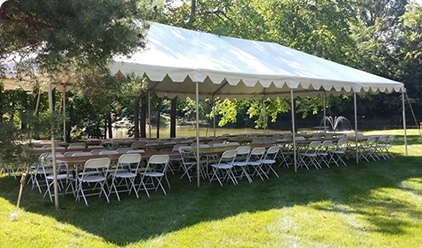


FEMA Tents: Provide Reliable Emergency and Disaster Relief
 SHELTENT
-
SHELTENT
-


After sudden disasters like earthquakes, floods, or hurricanes, there’s an urgent need to quickly set up temporary spaces for sheltering people, providing medical aid, storing supplies, or coordinating emergency operations.
Compared with regular buildings, these scenarios require temporary structure solutions that are fast to deploy, stable, and adaptable to different environments. FEMA tents have become a widely used answer to these needs, playing a key role in disaster relief and emergency response.
This article will cover what FEMA tents are, their key features, the different types available, and where they’re most effective, helping you understand their real-world value in emergency and disaster situations.
What Is a FEMA Tent?
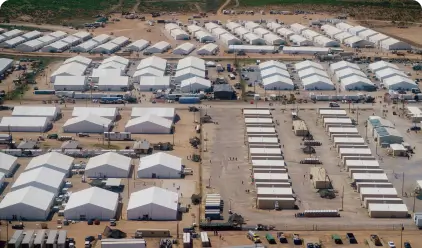
A FEMA tent is a type of temporary shelter specifically designed for emergency and disaster relief. It’s commonly deployed during sudden events like earthquakes, floods, hurricanes, or large-scale public safety incidents. Its primary purpose is to provide disaster-affected people with temporary housing or safe refuge, ensuring they have a secure place to rest and live immediately after a crisis.
FEMA medical tents are often set up as temporary medical stations, first-aid centers, or isolation zones, offering on-site care and treatment for the injured or sick. These tents can also serve as storage areas for supplies such as food, water, medicine, and other emergency resources, or function as command centers to support rescue teams with on-site coordination and management.
Key Features of FEMA Tents
The effectiveness of FEMA tents in various emergencies is closely tied to their intended use and design characteristics. To meet demands for rapid deployment, flexible application, and multifunctionality, these tents offer unique advantages in structure, materials, and design. Below is a detailed overview of the benefits of FEMA medical tents, covering setup speed, portability, material quality, applicability, and customizability.
Rapid Deployment
One of the standout features of FEMA tents is how quickly they can be set up, which makes them invaluable in disaster relief. At an emergency site, every second counts for both safety and the efficiency of rescue operations.
FEMA tents can be fully erected in a short time, providing usable shelter for those affected. Because the tent structure is relatively simple and easy to operate, rescue personnel need not worry about spending too much time setting it up.
On top of that, most FEMA tents are modular, so you can expand them as needed. By adding extra tent units or connecting multiple tents, you can quickly create larger spaces, making them flexible solutions for medical stations, supply storage, or command centers.
Portability
Portability is another major advantage of FEMA tents, making them highly efficient and flexible for disaster relief and emergency response.
Most tents feature an aluminum alloy frame, so they are relatively lightweight. Their components are detachable and pack neatly. This makes it easy to deliver them quickly to disaster zones by truck, van, or even air.
Whether heading to remote locations or supporting operations across multiple sites, FEMA tents ensure supplies arrive on time and provide reliable support for on-site setup.
High-quality Material
A FEMA tent’s performance really comes down to the materials it’s made from. In emergencies, it needs to stay strong and reliable, standing up to wind, rain, sun, and the bumps that happen during transport. Using high-quality materials not only makes the tent last longer, it also ensures it works when it’s needed most.
Most FEMA tents have frames made from lightweight, high-strength aluminum. This keeps them stable while still easy to move and set up fast. The tent fabric is usually waterproof PVC, which keeps rain and moisture out. It’s also tough and UV-resistant, so people get a safe, dependable shelter no matter the conditions.
Versatility
FEMA tents can be securely erected on various surfaces thanks to their reliable anchoring system. On grass or soil, stakes and ratchets are typically used to secure the tent, preventing it from tilting or shifting.
On concrete or surfaces where damage is prohibited, the tent can also connect to the base floor via load-bearing plates, providing stable support. This design ensures the emergency tent can be safely and efficiently erected and used in disaster relief settings, even in complex or restricted terrain.
Customization
FEMA tents can be flexibly customized to meet various rescue needs and adapt to multiple application scenarios. The interior of the tent can be partitioned to divide the space into accommodation areas, medical areas, or command areas.
You can also customize the vents and windows to suit the environment and ensure proper air circulation and comfort. In cold or hot regions, heating or cooling systems can be installed to provide a suitable temporary environment for rescue workers and disaster victims.
Types of FEMA Tents for Different Needs
Based on the specific needs and usage at the rescue site, various types of tents have been designed on the market to meet the requirements of different functions and environments. Different tent types have their own characteristics in terms of structure, size, setup method, and applicable scenarios. Next, we will introduce several common FEMA tents for sale.
Inflatable Tent

Inflatable tents are a type of FEMA tent that get their structure from air. Unlike traditional tents, they do not need complicated tools or a large team. You just pump air into the built-in chambers and the tent is ready. They are usually made from waterproof and windproof materials, and their flexible design makes them easy to move and store.
However, inflatable tents do have some drawbacks. Because they rely on air for support, air pressure needs to be monitored, especially in extreme temperatures. Their load-bearing capacity is limited, making them less suitable for heavy equipment or long-term use in harsh weather.
Frame Tent

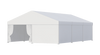
Frame tents are a type of FEMA tent that offers a solid structure and can be adapted to different rescue needs. They feature a corrosion-resistant aluminum frame and waterproof PVC fabric, providing reliable shelter even in rain or strong winds.
Another major advantage of frame tents is their flexible layout. Side walls can be adjusted, entrances added, or interior spaces divided to suit different emergency needs, making them a practical choice for disaster response.
Pole Tent

Pole tents are supported by central and side poles, creating a stable structure. The central pole supports the canopy and provides a convenient point to hang lights, medical equipment, or relief supplies.
Their simple installation process allows rescue teams to set them up quickly, eliminating complicated construction steps and enabling immediate use.
Keder Tent

Keder tents use an advanced keder tracking system where the edges of the canopy slide into pre-installed tracks. This creates a taut, waterproof cover while significantly reducing installation time and physical effort.
With corrosion-resistant aluminum frames and UV-protected PVC fabric, keder tents can withstand rain, strong sunlight, and temperature changes in emergency environments.
Trustworthy FEMA Tent for Sale at Sheltent
When it comes to emergency and disaster response, choosing a reliable tent supplier is just as important as selecting the right tent type. A dependable partner ensures that emergency shelter tents can be delivered, installed, and used effectively when time is limited.
Sheltent is a global tent supplier with years of experience in designing and manufacturing temporary tent structures. Their products are engineered for fast deployment, durability, and weather resistance, supporting disaster relief, medical response, and on-site command operations.
With corrosion-resistant aluminum frames and high-quality PVC materials, Sheltent tents support custom sizes and configurations, offering flexible solutions for relief operations of all scales.
Conclusion
FEMA tents provide safe and efficient temporary spaces for disaster response, from housing displaced people to setting up medical stations and command centers. Different tent types offer different advantages, allowing responders to choose the best solution for each situation.
Choosing a reliable supplier is critical. Sheltent offers professionally designed tents with high-quality materials and customization options to support fast, safe, and effective disaster response in any emergency scenario.


