





















A Complete Guide to Temporary Tent Structures
 SHELTENT
-
SHELTENT
-


Compared with permanent buildings, temporary constructions would be a better solution today, either for business or personal use.
Permanent structures usually require high construction costs, long timelines, and complex approval processes. In contrast, temporary tent structures are widely used for weddings, parties, commercial meetings, and any other short-term outdoor activities. They stand out for lower cost, fast installation, and easy relocation.
Here in this blog, we will talk about everything about temporary tent structures, including their advantages and popular types. For you to make a better choice, this guide also tells you what you should consider when purchasing a temporary tent construction and offers an explanation of its typical uses.
Pros and Cons of Temporary Tent Structures Compared to Permanent Tent Structures
Temporary tent structures outperform permanent tent buildings in many aspects. To better understand the differences, we have made a clear comparison of the key advantages and drawbacks of temporary tent structures versus permanent structures below.
Cost
Building a permanent tent structure requires you to prepare various raw materials like sand, cement, bricks, steel, etc. Besides, you should also hire professional engineers and a bunch of construction workers. If you don't know how to design a permanent construction that perfectly meets your needs, then a designer is also needed.
In contrast, opting for a temporary tent structure can save you a lot of effort. There would be no complicated construction and setup procedures. Thus, it is a more time-saving and cost-effective choice for many users.
But they also require periodic maintenance and proper storage when not in use. This may add minor costs.
Installation
Installing temporary tent structures is much simpler than constructing permanent buildings. All the parts of temporary tents are premade in the factory. When you receive the order, you just need to connect each piece by following the manuals or tutorials. This can be done by a small team of 3 - 4 people. From placing the order to completing the construction, it only takes you a few weeks.
However, building permanent structures is far more complex. If everything goes smoothly, it may only need a couple of months. It includes multiple stages such as architectural design, engineering approval, material procurement, foundation work, and on-site construction.
In addition, inspections and regulatory approvals can further slow down progress. Even under ideal conditions, constructing a medium-sized permanent building typically takes 6 to 12 months from planning to completion.
Withstand the Elements
Though permanent structures perform better under extreme and long-term exposure to harsh environments due to their reinforced foundations and rigid materials, temporary tents have also made significant improvements in this area.
Typically, a temporary tent structure consists of two main parts: a sturdy frame and a PVC fabric cover. The frame is made of aluminum alloy or galvanized steel, which allows the structure to resist rust, corrosion, and erosion.
Meanwhile, the PVC cover is fully weatherproof. It can block harsh sunlight and prevent rainwater from leaking through. Thus, temporary tents can still withstand extreme weather conditions like strong winds, pouring rain, and intense heat.
Customization
For both structure types, you can personalize the size, shape, and layout, and even add branding elements such as logos, slogans, patterns, graphics, or images to promote brand awareness. However, permanent tent structures would require precise calculations and professional verification for customizable options. So they usually demand more time and effort in this phase.

By comparison, temporary tent structures show a clear advantage in the long run. Custom options can be easily adjusted or updated when needed. For example, you can replace the PVC cover to refresh branding or redesign visual elements without affecting the overall structure. If you want to modify even a small design detail in a permanent building, it would require huge construction work, higher costs, and longer downtime.
Scalability
Another highlight of temporary structures is that they are more scalable and flexible. You can easily adjust the tent size based on guest numbers, event scale, or available venue space. For example, two standard 20-meter span tents can be connected to create a 40-meter-wide covered space. So generally, temporary tents make it way much easier to expand or reduce capacity as needed.
Movability
It cannot be denied that temporary tents are much easier to move and transport. In fact, mobility is one of the biggest benefits of using a temporary tent. If you need to attend multiple events throughout the year or your venue changes frequently, then the temporary building is definitely an ideal choice for you.
Although a temporary tent may be huge in scale, it is super easy to move or transport due to its modular design. Modular tents can be taken apart into smaller modular units. This makes loading, shipping, and reassembly simple.
In addition, the aluminum alloy used for the frame is lightweight. This feature also makes transportation far less labor-intensive compared to concrete or steel structures used to build permanent buildings.
Longevity
In terms of lifespan, temporary structures usually cannot match permanent buildings. Factors such as ground conditions, long-term exposure to the elements, and frequency of use all have a direct impact on their durability. However, the good news is that with regular maintenance and proper storage, high-quality temporary tents can still last 10 - 20 years.
The 8 Most Popular Temporary Tent Structures for Different Needs
There are various choices for temporary tent structures. But if you want to pick one that perfectly fits your needs, it usually takes plenty of research, time, and effort. No worries - we've listed the top 8 types of temporary buildings you can use with confidence. All you need to do is choose the tent structure that best suits your short-term event.
Frame Tent
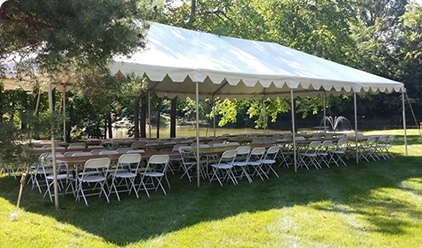
As its name suggests, the frame tent is mainly supported by a frame that is crafted from aluminum alloy. And it also includes a PVC fabric cover. The simple construction has made it very easy to install. It is also resistant to most weather conditions, such as strong winds, pouring rain, or intense sunlight.
There is no central pole inside, so it can provide a spacious interior, too. You can arrange the layout freely for seating, stages, or other functional areas.

Pole Tent
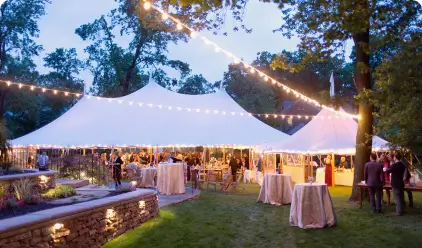
Pole tents are also flexible temporary structures with a simple construction. But their key feature lies in the supporting poles. A typical pole tent includes several side poles and one or more center poles. When set up, the center poles are placed in the middle to provide primary support. They also create an elegant peaked roof that suits a wide range of outdoor party themes.
They are highly suitable for soft grounds like sand or grass. Usually, pole tents are secured with stakes and an anchoring system that creates tension across the fabric. This keeps the tent top tight and stable while ensuring overall structural strength.

Clear Top Tent
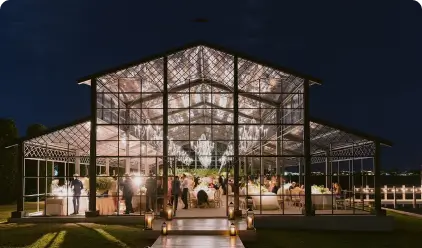
The clear top tent has a transparent roof that lets natural light flow in. Compared with traditional tents, clear top tents create a brighter interior and blend perfectly with the surrounding environment. So they can often create an elegant and romantic atmosphere. Due to this feature, they are especially popular for weddings, outdoor parties, camping events, etc.
If needed, you can also add clear sidewalls. This is very useful in winter or when you want to protect food and guests from wind, dust, or insects, while still maintaining visibility and a stylish look.

High Peak Tent
A high peak tent is a frame tent with a peaked roof. The peaked design and open sides ensure good ventilation. During hot summer days, it works well to reduce heat and makes everyone stay comfortable. They are often used in gorgeous scenic locations. Normally, many people choose a high peak tent for outdoor gatherings, garden weddings, glamping, etc.

Clear Span Tent
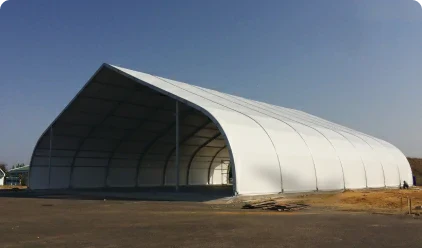
Clear span tents are often used in large-scale events to accommodate numerous guests. They are commonly used as commercial tent structures for trade fairs, exhibitions, and conventions. There are no extra columns or poles inside a clear span tent, so it often offers a wide, open area to house a large amount of equipment and arrange different functional zones.

Structure tents and temporary structure tents are both typical types of clear span tents. They are customizable semi-permanent tent structures. The size, shape, and color can all be customized according to specific event scales and actual needs.
You can also design and print logos, slogans, icons, patterns, or graphics on the tent to enhance brand visibility and support marketing or promotional needs.
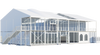
Two Story Tent
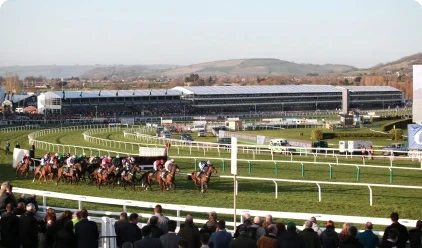
A two-story tent is designed to improve efficiency by cleverly integrating two separate tents into one structure. By maximizing vertical space, it expands usable space without taking up too much ground area. The common use of such tents includes large sports events, corporate events, and large-scale trade exhibitions.

The two levels of a two-story tent have different functions. The first floor or lower level usually supports core event activities. It often includes sporting venues, stadiums, dining areas, reception spaces, exhibition zones, or large gathering areas. And this level allows easy entry, smooth movement, and heavy foot traffic.
The second or higher floor is often used for premium or private purposes. It can serve as a VIP lounge, viewing deck, private dining area, or media space. From the upper level, guests can enjoy better views of the event, stage, or surrounding scenery.
There are also many customizable options for a two-story tent. For example, you can choose a glass, ABS, or sandwich panel for walls. Or you may also equip lighting, flooring, and HVAC systems to enhance overall comfort.
Atrium Tent
Atrium tents are often used for luxury, upscale events such as grand weddings, gala dinners, and high-end receptions. The roof and sides are all transparent to create a bright atmosphere. They also offer a unique panoramic view for people to enjoy the outside view while they are dining or chatting inside.
These large temporary structures can span up to 80 meters, easily accommodating 200 - 300 people for large-scale events. In addition, atrium tents meet strict flame-retardant standards to ensure a high level of safety. Even during hot, dry seasons, it can prevent fire-related accidents and unnecessary losses.

Dome Tent
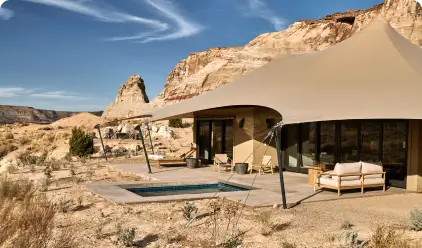
The dome tent is designed with a half-sphere shape. This unique and eye-catching appearance has made it particularly suitable for luxury outdoor activities. It can be used as an outdoor restaurant or resort space. Some investors may also choose geodesic dome tents as glamping tents at their campsites.

In addition to their distinctive outlook, they are built with durable materials to offer excellent resistance to long-term exposure to outdoor elements. Usually, the dome tent is composed of 100% weatherproof PVC fabric with a galvanized steel frame, or tempered glass cover with an aluminum alloy frame.
They can also be customized with functional systems like HVAC, air conditioning, lighting, and other amenities to create a comfortable, high-end indoor experience in an outdoor setting.
What to Consider When Purchasing Temporary Tent Structures?
When purchasing a temporary tent, you have to figure out what you really need. Almost every tent suppiler claims to be one of the best tent manufacturers and provide tents that truly meet your requirements. But that's not always the case. So, it's wise to think twice when purchasing temporary tent structures. Here's what you should consider:
-
Confirm the purpose and budget: Identify how the tent will be used, such as for events, storage, or industrial operations. Then set a clear budget that covers the tent, installation, and basic maintenance - avoid cutting corners, but don't overspend either.
-
Size and space requirements: Choose a size based on the number of people, equipment, or goods it needs to hold. You may need to measure the site in advance and leave enough space for entrances, walkways, and future adjustments.
-
Local climate conditions: Consider weather factors like wind, rain, snow, or strong sunlight. The tent should be designed to handle the conditions in your area safely.
-
Manufacturing process and materials: Check the frame and fabric quality. For example, tents made with aluminum alloy frames, galvanized steel components, and waterproof PVC covers, like those from Sheltent, could offer better durability and protection.
-
After-sales support: Some suppliers focus only on temporary tent structures for sale and pay little attention to after-sales support. Always choose a supplier that offers installation guidance, consultation, and warranty support.
-
Brand and reputation: Look for suppliers with proven experience and positive customer feedback. A reliable brand is more likely to deliver stable quality and professional service.
Where Are Temporary Tent Structures Ideal for Use?
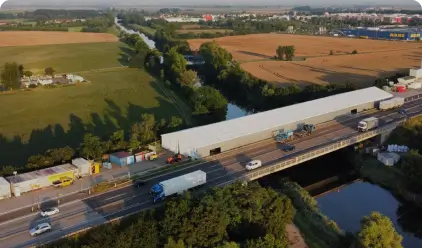
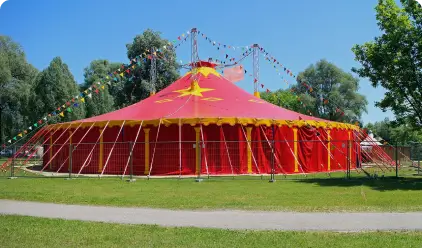
Temporary tent structures are widely used for temporary events such as markets, festivals, exhibitions, and corporate gatherings. As flexible temporary event structures, they are quick to install and easy to customize. Thus, they are ideal for these short-term uses as frequent removal setup and removal won't cause any permanent impact on the site.
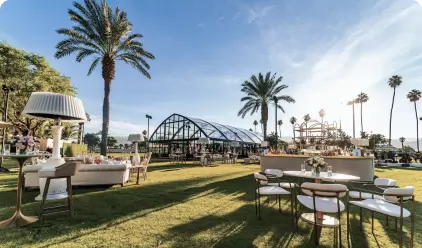
They are also a good choice for weddings and private celebrations. Whether it's a garden wedding, outdoor party, or reception, temporary tent structures provide shelter from changing weather while helping create a comfortable space that can be styled to match the event theme.
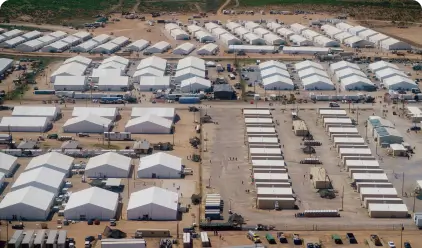
Beyond events, temporary tent structures are practical solutions for construction sites, industrial storage, and emergency response. They can serve as on-site offices, equipment shelters, warehouses, or temporary relief centers to offer reliable protection and scalable space wherever permanent buildings are not feasible.
Build Your Temporary Tent Structure with Sheltent
If you need temporary tents, Sheltent can be your best choice. As a tent brand with nearly 10 years of experience, we're dedicated to providing high-quality temporary tent structures. We have helped countless customers host successful events and enjoy the best outdoor experiences ever.
Our tents are made of prefabricated modular parts. They are very easy to install, dismantle, and transport. You don't need an expert team to assemble and disassemble. This can help save a lot of effort and time.
We insist on using sturdy materials such as aluminum alloy and 100% weatherproof PVC covers to help our tent withstand wind and rain while providing a comfortable experience. With proper maintenance, their lifespan can be up to 20 years, making them comparable to permanent constructions.


